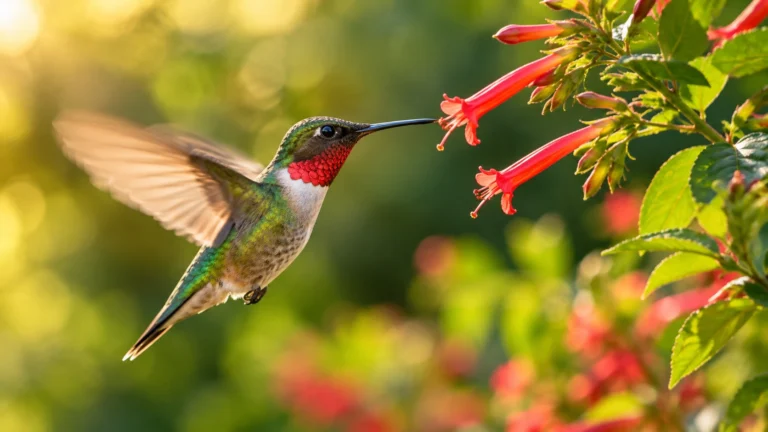
Deploying an artificial nesting cavity—commonly referred to as a birdhouse or nest box—is one of the most proactive steps you can take to support native bird populations in the United States. Due to aggressive modern land development, timber harvesting, and neat suburban landscaping practices, natural dead trees (snags) containing old woodpecker holes are rapidly disappearing. This has created a severe housing shortage for secondary cavity-nesting birds.
However, simply buying an attractive birdhouse from a garden center and nailing it to a backyard tree will rarely result in successful nesting. In nature, wild birds are hyper-selective real estate shoppers. They assess a potential cavity based on precise internal measurements, physical height, directional orientation, and surrounding vegetation. To transform your yard into a bustling avian nursery, you must pair the correct nest box architecture with a strategic placement protocol.
1. Choosing the Correct Nest Box Design Architecture
The primary rule of avian real estate is that a “generic” birdhouse does not exist. A cavity built to attract an Eastern Bluebird features entirely different dimensions than one designed for a House Wren or an American Kestrel. If a nest box features an entrance hole that is even a quarter-inch too wide, aggressive invasive species like European Starlings or House Sparrows will colonize the box, kill the native residents, and destroy their eggs.
Non-Negotiable Structural Features
Before purchasing or constructing any nest box design, ensure it incorporates these safety features:
- Untreated, Natural Wood Construction: Use wood panels that are at least 3/4-inch thick to provide vital thermal insulation against extreme summer heat and sudden spring cold snaps. Use naturally rot-resistant lumber like cedar, redwood, or cypress. Never use pressure-treated lumber, plywood, or oriented strand board (OSB), which leach toxic chemical glues and copper-arsenate preservatives when wet.
- Zero External Perches: Never buy a birdhouse with a wooden peg or perch installed outside beneath the entrance hole. Native cavity-nesters do not need perches; they possess strong claws that can grip bare wood easily. External perches serve only as convenient handles for predators like house cats, raccoons, and Blue Jays attempting to steady themselves while reaching inside to steal nestlings.
- Easy Access for Monitoring and Cleaning: The box must feature a secure side-opening or front-opening door on a hinge. This allows you to perform vital weekly checks for invasive blowfly larvae and clean out old nesting materials at the end of the breeding season to stop the spread of avian mites.
- Built-in Drainage and Ventilation: Look for boxes featuring angled floors with drilled 1/4-inch drainage holes in the corners to let rain or waste moisture escape. The top of the side walls should feature a 1/4-inch ventilation gap directly beneath the overhanging roof line to vent trapped hot air during July summer heatwaves.
2. Species-Specific Dimension Matrix
The reference table below isolates the precise internal and external blueprint specifications required by the most common native cavity-nesting bird species in the United States.
| Target Species | Entrance Hole Diameter | Internal Floor Space | Interior Box Depth | Mounting Height Off Ground | Ideal Surrounding Habitat |
| Eastern Bluebird | Exactly 1.50 inches | 5 x 5 inches | 8 to 10 inches | 4 to 6 feet | Wide-open lawns, pastures, golf courses |
| Western / Mountain Bluebird | Exactly 1.56 inches (1-9/16″) | 5 x 5 inches | 8 to 10 inches | 4 to 6 feet | Open rangeland, savannahs, orchard edges |
| Black-capped / Carolina Chickadee | Exactly 1.125 inches (1-1/8″) | 4 x 4 inches | 8 to 10 inches | 5 to 15 feet | Forest edges, suburban yards with thick canopy |
| House Wren | Exactly 1.125 inches (1-1/8″) | 4 x 4 inches | 6 to 8 inches | 4 to 10 feet | Brushy thickets, garden edges, low shrub lines |
| Tufted Titmouse | Exactly 1.25 inches (1-1/4″) | 4 x 4 inches | 8 to 10 inches | 5 to 15 feet | Mature deciduous woodlands, heavily treed suburbs |
| Tree Swallow | Exactly 1.50 inches | 5 x 5 inches | 6 to 8 inches | 5 to 6 feet | Open fields directly adjacent to ponds or marshes |
| Screech-Owl (Eastern / Western) | Exactly 3.00 inches | 8 x 8 inches | 12 to 15 inches | 10 to 30 feet | Dense tree trunks, backyard forest plots, groves |
3. Strategic Placement Blueprints to Maximize Attraction
Once you have secured a box matched to your target species, its physical placement on your property will determine whether it is colonized or ignored.
The Metal Pole Isolation Protocol (The Absolute Safest Method)
The single greatest mistake backyard birders make is nailing a nest box directly to a mature tree trunk or a wooden fence post. Tree bark and wood posts provide exceptional traction for climbing predators like raccoons, opossums, gray squirrels, and black rat snakes, turning the nest box into an easily raided feeding station.
- The Blueprint: Mount your nest box onto a smooth, 1-inch diameter galvanized steel electrical conduit pipe (EMT) or a heavy-duty t-post driven into the ground.
- Install a Predator Baffle: Mount a smooth, 24-inch metal cylinder or a wide stovepipe baffle onto the pole beneath the bottom edge of the box. The top of the baffle must sit at least 4 feet off the ground. This creates a slick, impassable physical barrier that climbing mammals and snakes cannot scale or bypass.
Directional Orientation and Microclimate
Always orient the entrance hole of your nest box to face East or Southeast. In the United States, prevailing spring storm fronts and harsh winds typically move from west to east. Facing the box toward the east protects the delicate interior from driving rain. Furthermore, an eastward-facing entrance allows the early morning spring sun to warm the interior chamber, stimulating parental foraging activity while saving the chicks from burning excessive caloric energy trying to stay warm.
Habitat Matching and Spacing Constraints
Birds are intensely territorial during the breeding season. If you mount multiple bluebird boxes within 50 feet of each other, the birds will engage in continuous territorial combat instead of raising young.
- The Spacing Rule: Keep bluebird boxes at least 300 feet apart. House Wren boxes can be spaced closer (around 100 feet), but they should be tucked directly inside brushy, overgrown shrub borders. Bluebird boxes require wide-open lawn flight paths facing away from thick woods to feel secure from ambush predators like Cooper’s Hawks.
4. Troubleshooting and Managing Invasive Competitors
Even with perfect placement, you may encounter competition from non-native, invasive bird species that are not protected by federal law: the European Starling and the House Sparrow. These birds will aggressively invade native cavities, pecking adult bluebirds or chickadees to death on the nest to steal the box.
- Enforce Hole Diameter Restraints: If your target species is the Eastern Bluebird, ensuring the entrance hole is exactly 1.50 inches will physically block the bulkier European Starling from entering. However, the smaller House Sparrow can still slip inside.
- The Pairing Tactic for Swallows and Bluebirds: Tree Swallows and Bluebirds compete fiercely for the same open-field boxes. If Tree Swallows take over your bluebird box, install a second, identical box exactly 15 to 22 feet away from the first one. Tree Swallows will aggressively defend their box from other swallows but will tolerate bluebirds nesting next door. This allows both species to nest peacefully side-by-side while working together to drive away passing crows or hawks.
Get the exact dimensions for the species you want — hole size decides who moves in and who can’t.
Open the birdhouse calculator →