Anna’s Hummingbird (Calypte anna)
- Size: 3.9–4.3 in (10–11 cm)
- Wingspan: 4.7 in (12 cm)
- Weight: 0.1–0.2 oz (3–6 g)
- Male Color: Iridescent rose-pink gorget & crown
- Female Color: Green back, pale underside, small pink spots
- Call: Sharp chirps and buzzes
- Lifespan: 8–10 years
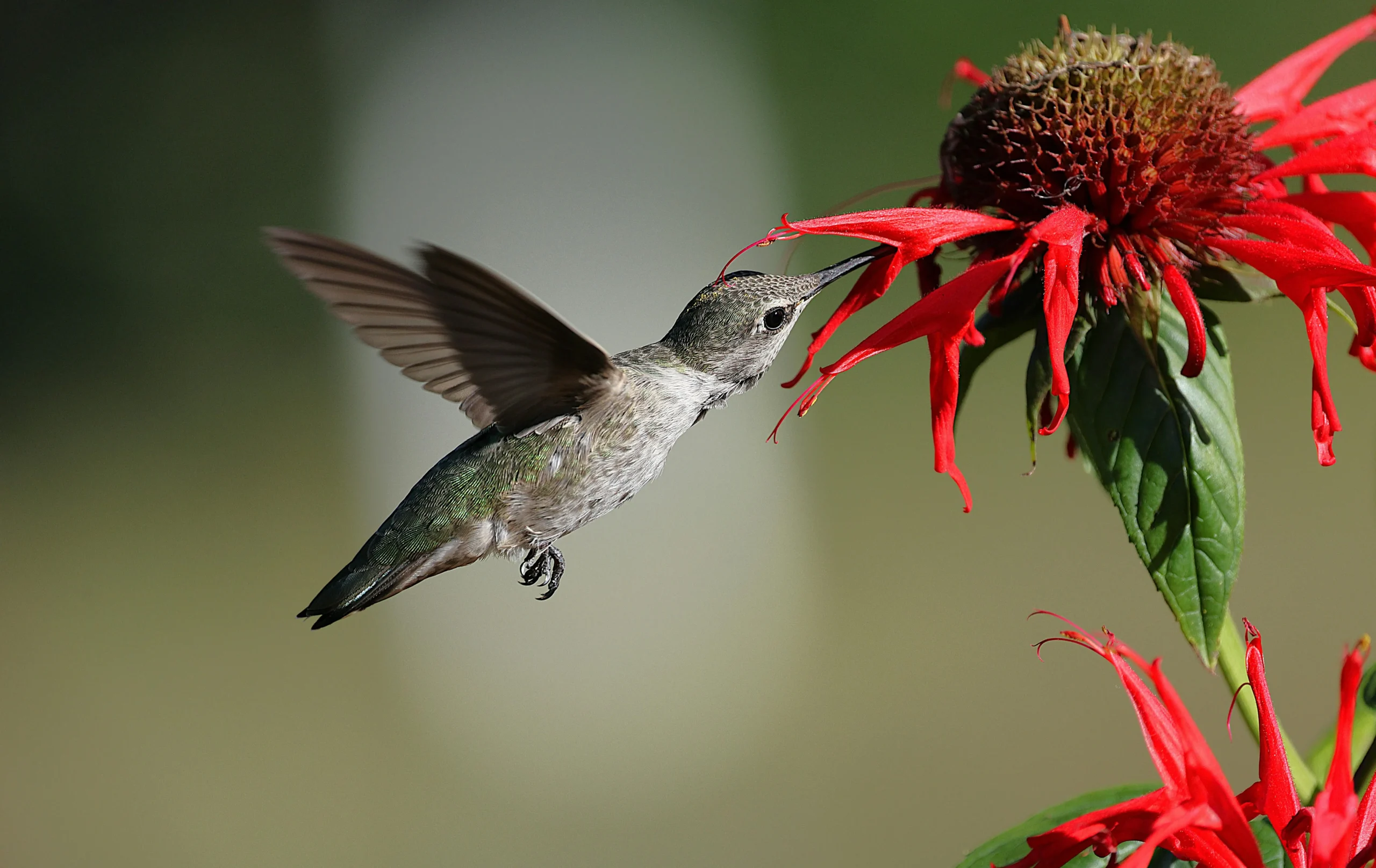
Anna’s Hummingbird is a vibrant West Coast species known for its glowing pink crown and throat, rapid wingbeats, and year-round presence. Unlike many hummingbirds, they remain in the western United States through winter, thanks to rich flowering plants and backyard feeders.
Identification
Anna’s Hummingbirds are small and compact with:
- Shimmering green back and sides
- Bright pink (magenta) throat and crown on males
- Bronzy-green females with pale underparts
- Long, straight bill for nectar feeding
Their iridescent feathers shine differently depending on the light angle.
Range & Habitat
Common along the western United States and parts of Mexico:
- California (year-round)
- Oregon & Washington
- Arizona & Nevada
- Baja California
They thrive in:
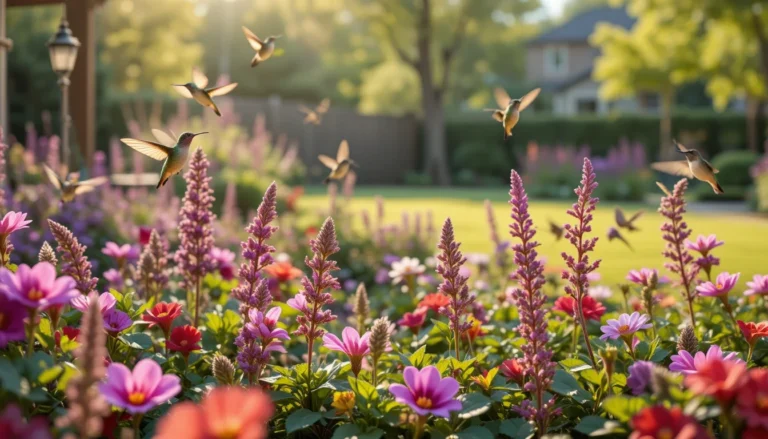
- Gardens with nectar plants
- Coastal scrub
- Woodland edges
- Urban yards & parks
Diet
Anna’s Hummingbirds feed frequently to maintain their high energy:
- Nectar from flowers
- Sugar-water feeders
- Small insects & spiders
- Tree sap from sapsucker holes
Nesting
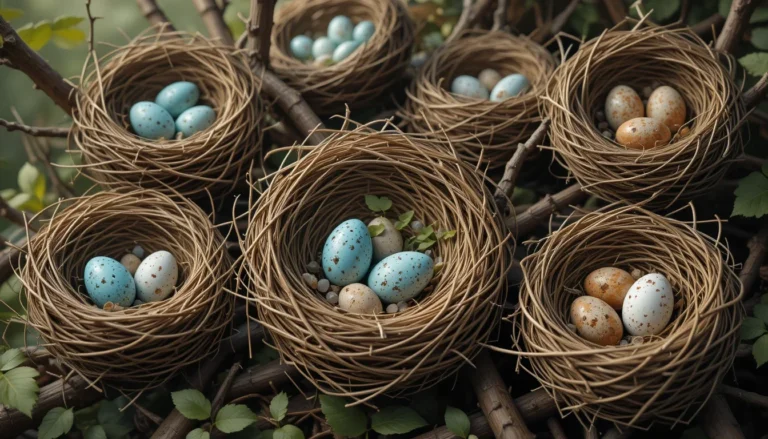
Females build tiny, delicate nests on branches using plant fibers and spider silk.
- Clutch: 2 eggs
- Incubation: 14–19 days
- Fledge: 18–26 days
Nests expand as chicks grow, thanks to stretchy spider silk.
Behavior
Known for spectacular courtship dives where males plummet and make a loud chirping sound created by tail feathers. They hover expertly, defend feeding territories, and are surprisingly bold around people.
Conservation Status
Least Concern — populations are expanding due to urban gardens, feeders, and mild winters.
FAQ
Do Anna’s Hummingbirds migrate?
Most do not — they remain year-round on the West Coast, unlike many other hummingbirds.
Why do males make a loud chirp during dives?
The sound comes from their tail feathers vibrating at high speed, not a vocal call.
What should I put in a hummingbird feeder?
Use a 1:4 sugar-to-water ratio with no dyes; replace often to avoid fermentation.
What flowers attract Anna’s Hummingbirds?
They prefer tubular red blooms like salvia, penstemon, fuchsia, and trumpet vine.