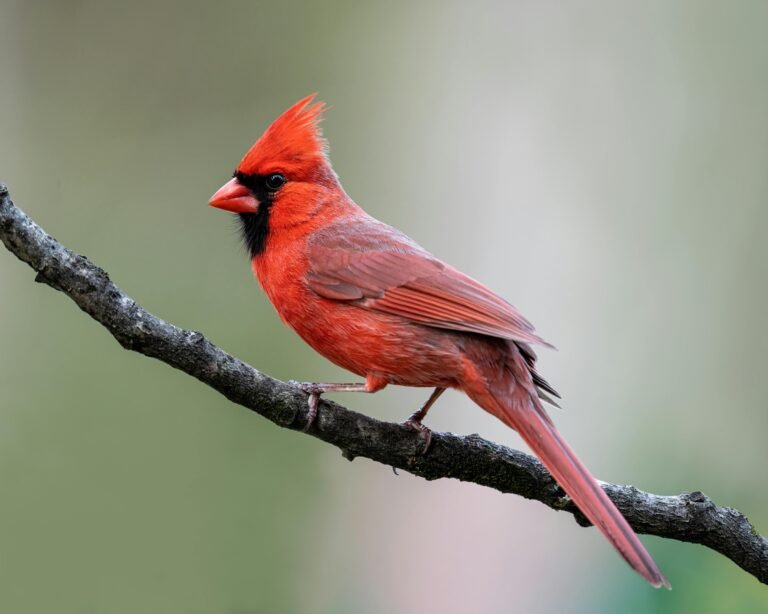
The Northern Cardinal (Cardinalis cardinalis) is one of the most recognizable and beloved birds across North America. Known for its striking red male plumage and softer tones of the female, this bird has become a symbol of beauty, vitality, and even spiritual meaning. Whether you’re an avid birdwatcher or just someone who enjoys spotting wildlife in your backyard, the Northern Cardinal is an unforgettable sight.
Northern Cardinal: Quick Facts
- Scientific Name: Cardinalis cardinalis
- Size: 8.3–9.1 inches in length
- Wingspan: 10.2–12.2 inches
- Life Expectancy: 3 years on average, though some can live up to 15 years in the wild.
- Diet: Seeds, fruits, and insects.
- Song: A series of clear whistles and trills.
Identification Features of the Northern Cardinal
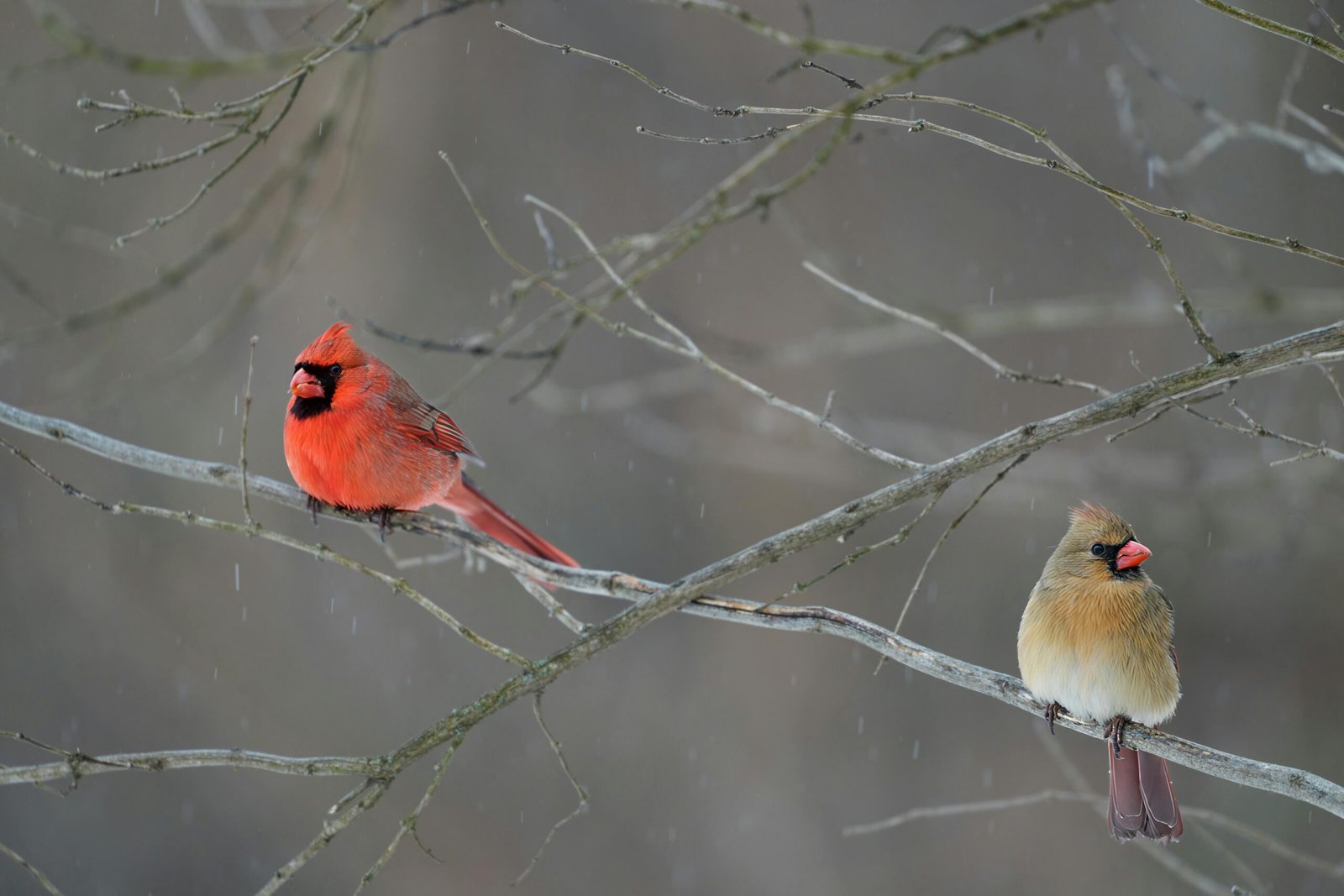
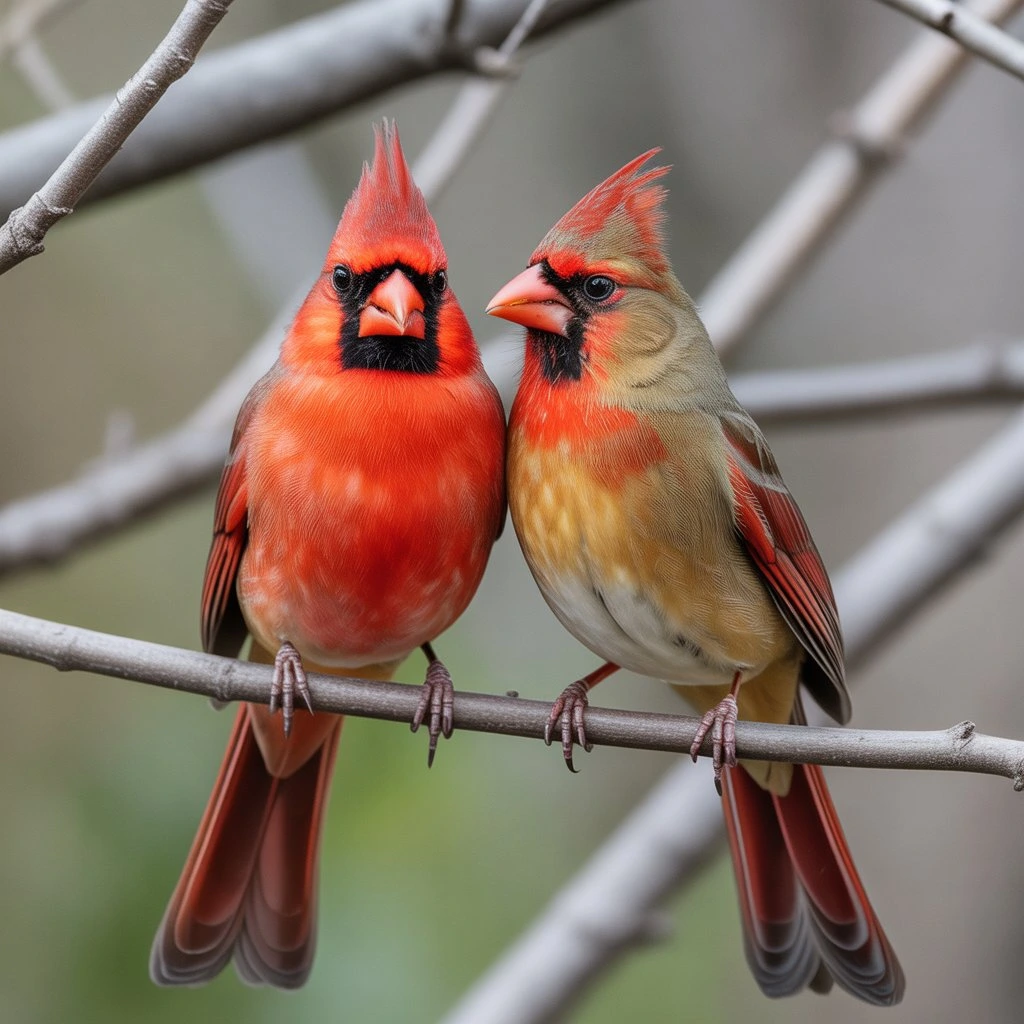
Identifying a Northern Cardinal is fairly easy, especially when you spot the bright red male. The males are known for their vibrant red plumage, which is often a favorite among birders. On the other hand, female Northern Cardinals have a more subdued, brownish color with hints of red on the wings and tail. Both genders share a distinctive black mask that runs from the beak to the throat, making them easily recognizable.
A key feature that distinguishes these birds is their sharp, cone-shaped beak, perfect for cracking seeds. Juvenile Northern Cardinals, however, are a bit more difficult to identify due to their duller brown feathers.
Habitat and Distribution of the Northern Cardinal
Northern Cardinals are native to North America and can be found in a variety of habitats, including woodlands, gardens, and urban areas. They are non-migratory birds, which means they typically stay in the same areas year-round.
These birds are especially abundant in the eastern United States, but their range extends across parts of Mexico, Florida, and Texas. While they are commonly spotted in suburban areas with plenty of trees and shrubs, Northern Cardinals in Florida have become a year-round presence due to the mild climate.
Northern Cardinal’s Nesting and Breeding Habits
During breeding season, the Northern Cardinal’s song is often heard echoing through neighborhoods as males sing to defend their territory and attract females. The female builds the nest, typically in dense shrubs or small trees, using twigs, grasses, and leaves.
A typical clutch contains 2 to 4 eggs, which are incubated by the female for about 12–13 days. Both parents take turns feeding their chicks once hatched, ensuring the survival of their young. Northern Cardinals are known to be monogamous, often pairing for life.
How to Attract Northern Cardinals to Your Backyard
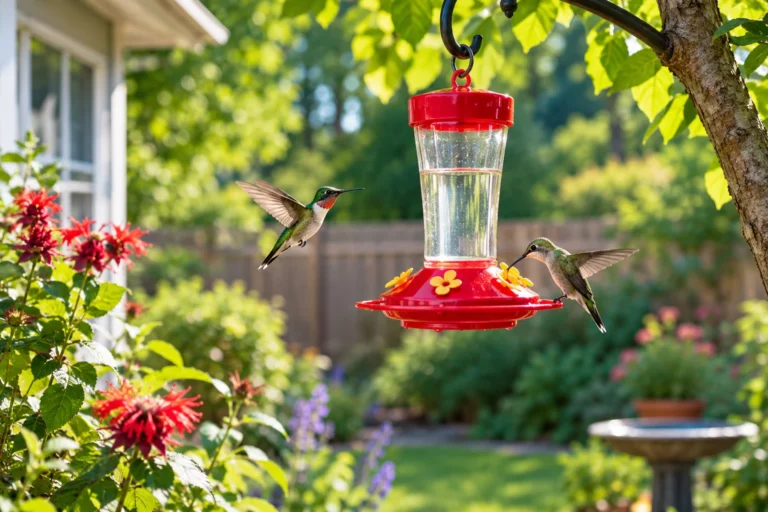
Attracting Northern Cardinals to your backyard is easier than you might think. They love to feed on sunflower seeds, safflower seeds, and berries. To create the ideal environment for them, consider planting native shrubs like dogwood or holly, which provide both food and shelter.
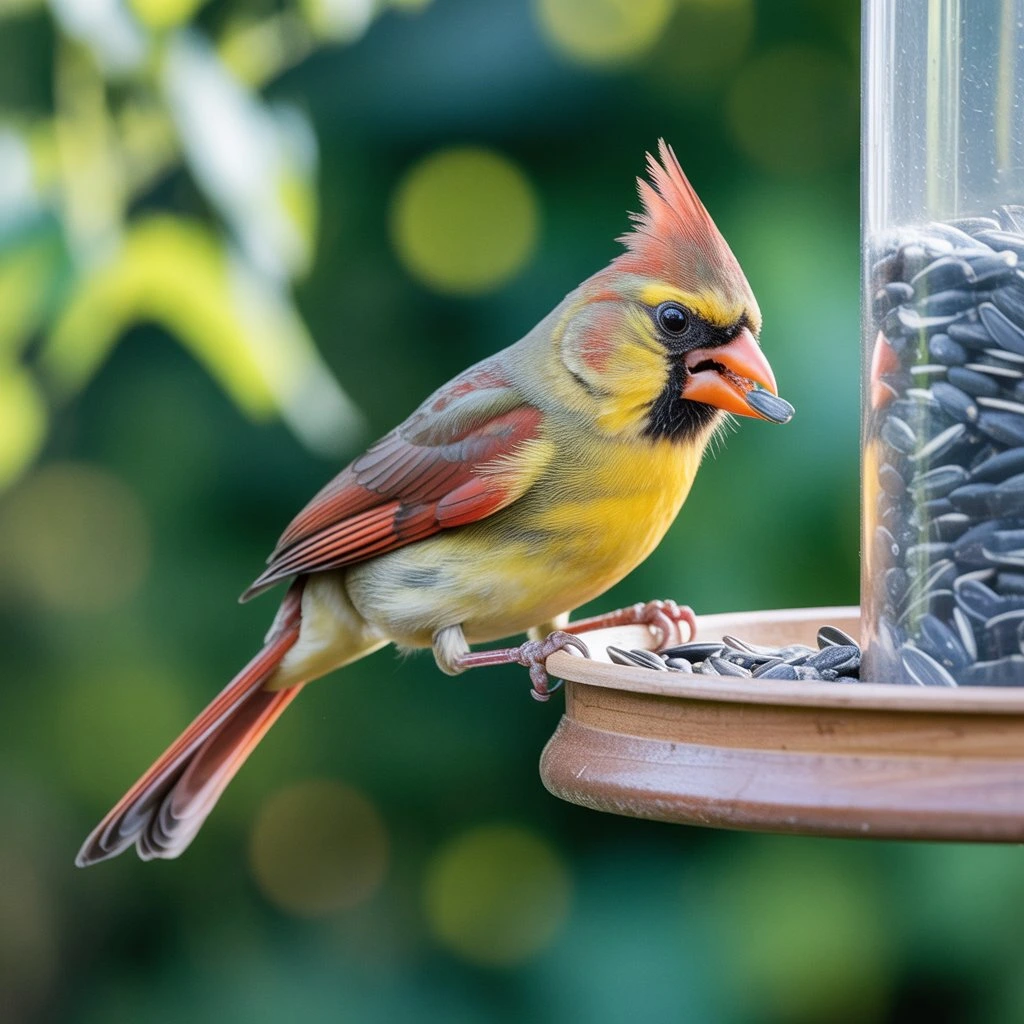
Additionally, placing a bird feeder filled with sunflower seeds in a quiet, sheltered spot can make your yard more appealing. Cardinals are also attracted to water sources, so a birdbath will make your backyard even more inviting.
Fun Facts About the Northern Cardinal
- Symbolism: In many cultures, the Northern Cardinal is considered a symbol of hope and renewal. Its vivid color often represents strength and vitality.
- Female Singers: Unlike most birds, the female Northern Cardinal also sings, particularly during the breeding season.
- Mating for Life: Northern Cardinals are known to form strong pair bonds and often mate for life.
- Unique Calls: The Northern Cardinal call is distinctive, consisting of clear whistles that can be heard from a distance.
- Color Variations: Occasionally, birdwatchers spot a rare yellow Northern Cardinal, which is the result of a genetic mutation.
Frequently Asked Questions (FAQs)
What Do Northern Cardinals Eat?
Northern Cardinals primarily eat seeds, berries, and insects. They are especially fond of sunflower seeds and can often be seen in bird feeders.
Where Do Northern Cardinals Live?
These birds are found throughout North America, particularly in wooded areas, gardens, and backyards. Their range extends from the eastern United States to parts of Mexico and Central America.
Do Northern Cardinals Migrate?
Northern Cardinals do not migrate. They are year-round residents, although they may move short distances during extreme weather conditions.
What Does a Northern Cardinal Sound Like?
The Northern Cardinal song is a series of clear whistles and trills. The male sings to defend his territory and attract a mate. The female Northern Cardinal also sings during breeding season.
Are Northern Cardinals Rare?
No, Northern Cardinals are quite common across their range. However, seeing a yellow Northern Cardinal is extremely rare and considered a surprising sight for backyard birders.