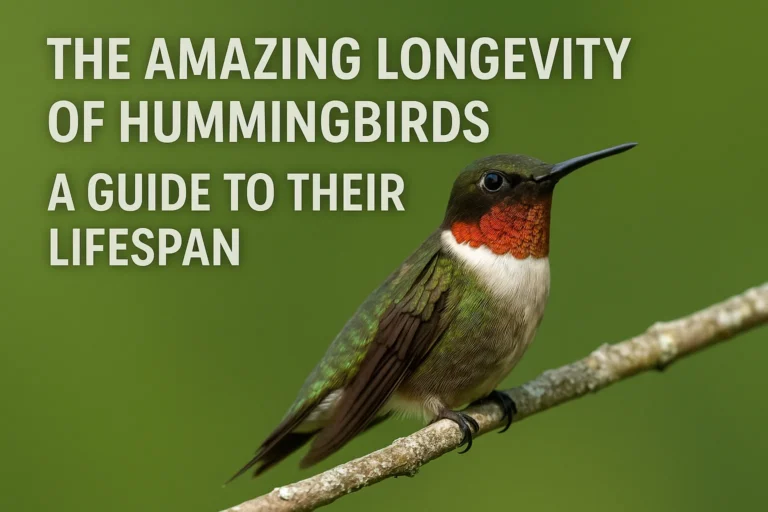
When winter approaches and flowers fade, hummingbirds begin one of the most remarkable migrations in the bird world. These tiny creatures cannot survive cold conditions for long, so they relocate to warmer regions with abundant nectar and insects. Their journey combines instinct, endurance, and adaptation.
Hummingbird Survival Strategies During Cold Weather
Hummingbirds avoid harsh winters by migrating toward milder climates. Since they cannot endure freezing temperatures, they rely on consistent food sources found farther south.
At night, some enter a state called torpor, a temporary hibernation-like condition that slows their metabolism to conserve energy until sunrise.
Primary Winter Destinations of Hummingbirds
Most hummingbird species migrate to Mexico, Central America, and the Caribbean to escape the cold.
- Ruby-throated hummingbirds winter in southern Mexico and Panama.
- Rufous hummingbirds travel to southern Mexico and parts of Guatemala.
- Anna’s hummingbirds can remain along the Pacific Coast year-round where food is available.
Their migration can cover more than 3,000 miles, demonstrating remarkable stamina for such small birds.
Migration Routes and Timing
The migration south usually begins in late summer or early autumn, with return trips starting in early spring. Some species make a nonstop flight across the Gulf of Mexico, lasting nearly a full day.
Migration timing depends on region and weather conditions, but most hummingbirds leave northern areas by October and return by March or April.
Individual Migration Behavior
Unlike other migratory birds such as geese, hummingbirds travel alone rather than in flocks. Each bird follows its internal compass, relying on daylight length, temperature, and food availability. Their journey is entirely self-directed and based on instinct.
Mortality and Winter Risks
Hummingbirds that fail to migrate face serious survival challenges. Exposure to prolonged cold can be fatal since they depend heavily on energy from nectar and insects.
In warmer areas, such as southern California and Florida, some species manage to stay through winter when feeders and natural flowers remain available.
Nesting and Habitat During the Winter Season
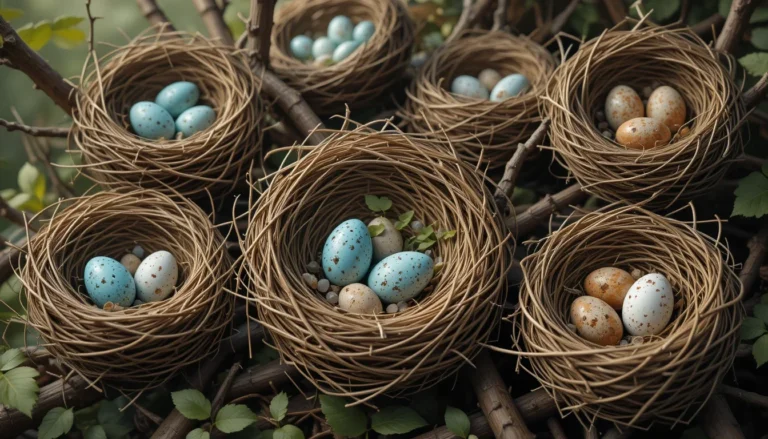
Hummingbirds do not breed or build nests during the cold months. Their nesting period begins after migration when they return to northern regions in spring.
During winter, they occupy tropical forests, gardens, and flowering shrubs that provide both food and shelter.
Typical Regions Where Hummingbirds Spend the Winter
Common winter habitats include:
- Southern and coastal Mexico
- Central America (Costa Rica, Panama)
- Caribbean islands (Cuba, Jamaica, Puerto Rico)
- Warmer areas of the southern United States (Texas, Florida, California)
These regions offer abundant nectar sources and insect populations, ensuring their survival through winter months.
Ecological Importance of Winter Migration
The winter migration of hummingbirds plays a vital role in maintaining ecological balance. By pollinating tropical plants during their stay, these birds help sustain biodiversity and support year-round flowering cycles across the Americas.
Frequently Asked Questions
Yes, most species migrate south to escape freezing temperatures.
No, they migrate individually, not in flocks.
They live in tropical and subtropical regions such as Mexico, Central America, and the Caribbean.
Only a few species can endure mild winters if food sources remain stable.
They typically begin returning north in early spring, around March or April.
Conclusion
The migration of hummingbirds is an extraordinary display of instinct and resilience. Each year, these tiny birds travel thousands of miles to find suitable winter habitats where food and warmth are abundant.
By understanding their seasonal patterns and maintaining feeders before and after migration, bird enthusiasts can play a small but meaningful role in supporting their journey.