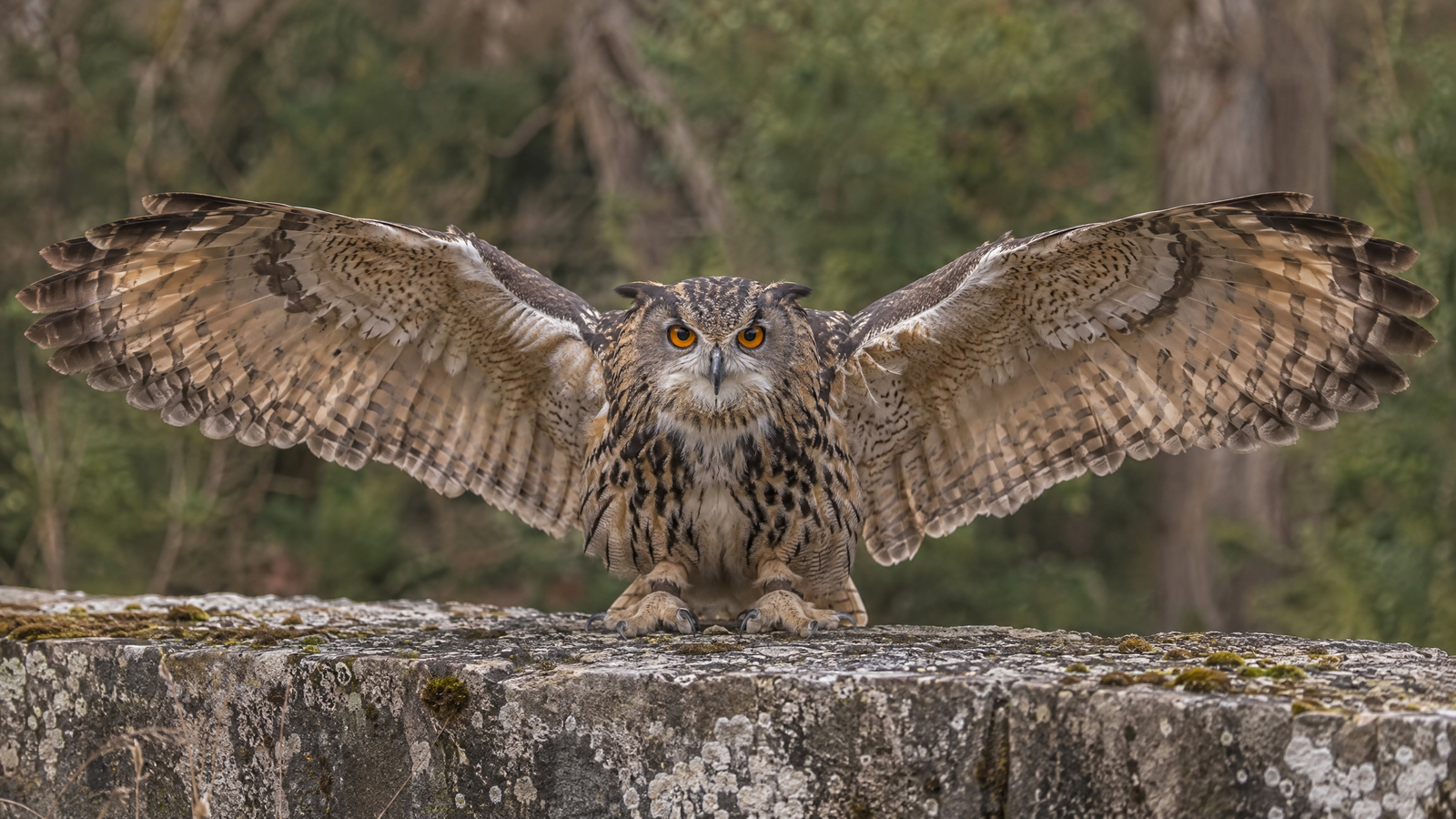
An owl spreads its wings and fixes its bright, intense eyes on the camera, creating an unforgettable wildlife moment. With its broad wings, beautifully patterned feathers, and striking gaze, this owl captures the mysterious beauty of wild birds.
Owls are fascinating birds of prey known for their excellent vision, specialized hearing, silent flight, and distinctive appearance. In this short wildlife video, you can enjoy a close-up look at an owl displaying its wings and staring directly toward the camera.
Whether you love backyard birds, unusual bird behavior, or amazing wildlife videos, this encounter offers a wonderful reason to learn more about these remarkable birds.
Watch the Owl Spread Its Wings
Watch this short video to see the owl’s wide wings, detailed feather patterns, and intense g
Pay attention to the owl’s posture, eye movements, and how its feathers shift as it moves. These small details make wildlife observation exciting and help us appreciate the natural behavior of birds.
Why Does an Owl Spread Its Wings?
When an owl spreads its wings, the meaning depends on the situation. A wing display can serve different purposes, and a short video alone may not reveal exactly why the bird is behaving this way.
1. Protecting Itself
Some owls spread their wings to make themselves appear larger when they feel threatened. This defensive display may discourage another animal from approaching.
The owl’s posture, the position of its head, and the surrounding environment can help explain whether it is responding to a potential threat.
2. Protecting Its Young
Owls may use defensive postures around their nests or young. Depending on the species and circumstances, spreading the wings can be part of an attempt to shield vulnerable chicks or discourage intruders.
However, not every owl displaying its wings is protecting a nest.
3. Stretching and Adjusting Its Feathers
Birds sometimes stretch their wings or rearrange their feathers as part of ordinary maintenance. These movements help them keep their plumage in good condition.
An owl that briefly extends its wings and then settles down may simply be stretching or adjusting its posture.
4. Responding to Its Surroundings
An owl may change its posture when it notices movement, hears a sound, or becomes alert to something nearby. Wing movements can occur alongside other behaviors, so it is important to consider the entire situation rather than one movement alone.
What Makes an Owl’s Eyes So Fascinating?
One of the most striking features in this video is the owl’s intense gaze. Depending on the species, an owl may have yellow, orange, amber, or dark-colored eyes.
Owls have forward-facing eyes that help them judge distances while hunting. Their vision is adapted for detecting prey in low-light conditions, although different owl species have different visual characteristics.
Unlike humans, owls cannot freely move their eyes within their sockets in the same way. Instead, they turn their heads to look in different directions.
This combination of forward-facing eyes, a rounded facial structure, and controlled head movements gives many owls their distinctive expression.
How to Recognize an Owl by Its Feathers
An owl’s plumage can provide useful clues about its identity. Many species have brown, gray, cream, or mottled feathers that help them blend into trees, rocks, and other natural surroundings.
Look for these identifying features:
- Feather patterns: Spots, bars, and mottled markings vary between species.
- Facial disk: Many owls have a rounded arrangement of facial feathers that helps direct sound toward their ears.
- Ear tufts: Some species have prominent feather tufts on their heads, while others do not.
- Eye color: Eye color can help with identification, but it should not be used alone.
- Body size and shape: Wing proportions, head shape, and overall body size can help narrow down the species.
The owl in this video should not be identified by eye color or wing shape alone. A reliable identification requires more details, such as its size, facial markings, ear tufts, location, and other visible characteristics.
Are Owls Dangerous to Humans?
Owls generally avoid people, but they are wild animals with sharp talons and strong feet. An owl may defend itself if it feels threatened, is cornered, or is protecting its young.
If you encounter an owl in the wild, keep a respectful distance and avoid touching, chasing, or attempting to handle it. Never force a wild bird to spread its wings for a photograph or video.
If an owl appears injured or unable to fly, contact a licensed wildlife rehabilitator or local wildlife authority for advice.
Observing birds responsibly helps protect both wildlife and people.
More Amazing Facts About Owls
Owls have several adaptations that make them remarkable hunters.
- Excellent hearing: Many owl species can locate prey by listening carefully to subtle sounds.
- Specialized feathers: Many owls have feather structures that help reduce the sound of their flight.
- Powerful talons: Their feet are adapted to grasp prey.
- Flexible neck movement: Owls can turn their heads far to either side, helping them look around without moving their entire bodies.
- Different activity patterns: Some owls are primarily nocturnal, while others may be active at dawn, dusk, or during daylight.
Not every owl shares exactly the same adaptations or daily habits. Learning about individual species is the best way to understand their behavior.
How to Watch and Photograph Owls Responsibly
If you enjoy owl videos and wildlife photography, a few simple habits can make your observations safer for birds.
- Keep your distance and use a zoom lens when possible.
- Avoid shining bright lights directly into an owl’s eyes.
- Never approach an active nest or disturb young birds.
- Keep pets away from wildlife.
- Observe quietly and leave if the bird appears stressed.
- Follow local wildlife laws and guidance.
Patience is often the best approach. A quiet observer may witness natural behavior without disturbing the bird.
Final Thoughts
An owl spreads its wings and looks directly toward the camera, creating a powerful reminder of how fascinating wildlife can be. Its detailed feathers, striking eyes, and alert posture make this short clip worth watching.
Although the exact reason for the wing display cannot be confirmed from the clip alone, learning about owl behavior helps us appreciate these remarkable birds beyond their appearance.
Watch the video, share your favorite moment, and continue exploring the wonderful world of birds and backyard wildlife with Birdiy.
Frequently Asked Questions
Why do owls spread their wings?
Owls may spread their wings to appear larger when threatened, protect themselves or their young, stretch, or adjust their feathers. The reason depends on the species and situation.
Why does this owl stare directly at the camera?
The owl may be looking toward the camera because it has noticed movement or is paying attention to its surroundings. A direct gaze alone does not reveal whether the bird is frightened, curious, or defensive.
Do all owls have orange eyes?
No. Owl eye color varies by species. Some have orange or amber eyes, while others have yellow or dark brown eyes.
Can you identify an owl by its eyes?
Eye color can provide a clue, but it is not enough for reliable identification. Facial markings, body size, feather patterns, ear tufts, location, and other features are also important.
Are owls active during the day?
Many owls are most active at night, but some species are active during the day or at dawn and dusk. Their activity patterns vary by species and environment.
Is it safe to approach an owl with its wings spread?
It is best to keep your distance. A spread-wing display may be defensive, and an owl can injure someone with its talons if it feels threatened.
Where can I watch the owl video?
You can watch the short clip titled “This Owl Spreads Its Wings and Stares Into Your Soul” on YouTube: https://www.youtube.com/shorts/HhX0JbxIM-8
How can I learn more about owls?
Explore reputable bird guides and wildlife resources for information about owl species, habitats, identification, diets, and behavior. Cornell Lab of Ornithology is a useful starting point for learning about birds.