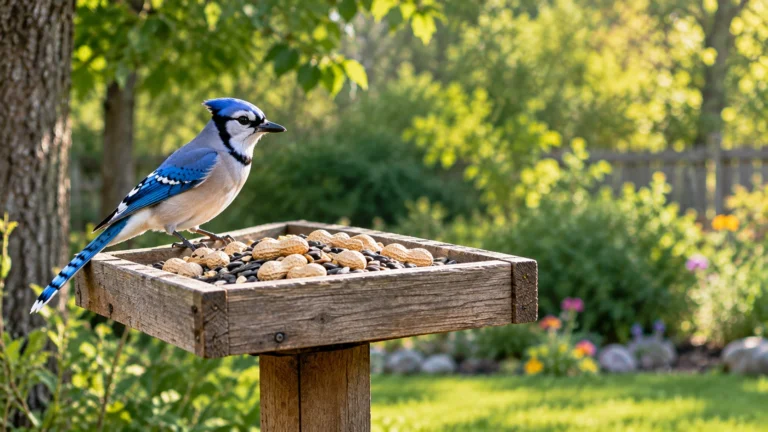
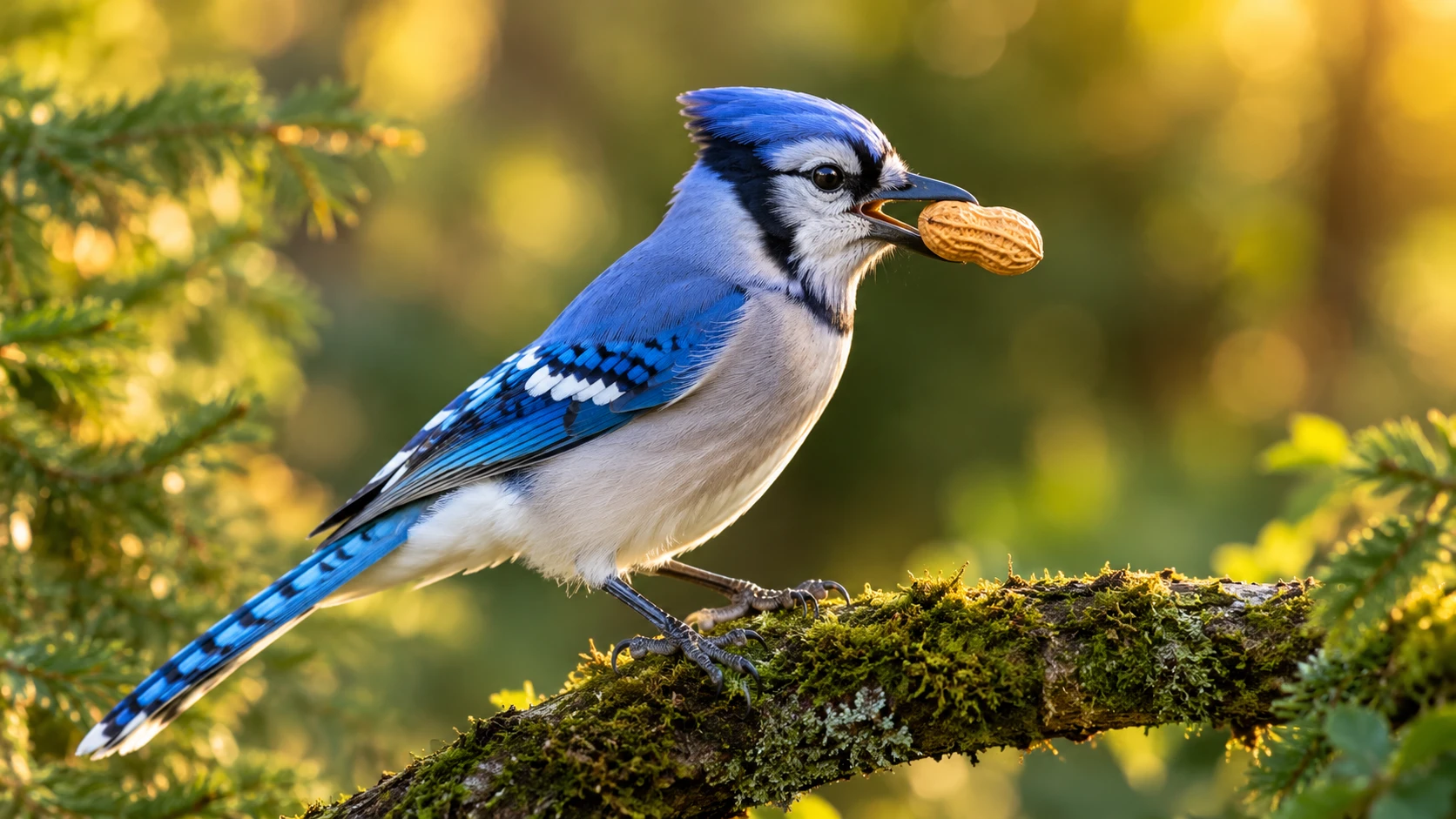
Yes, Blue Jays eat both peanuts and acorns. In fact, acorns are an important natural food for Blue Jays, while peanuts are one of the most popular foods to offer them at backyard bird feeders.
Blue Jays are intelligent, adaptable birds with strong bills that allow them to handle nuts, seeds, and other hard foods. They also have a fascinating habit of carrying food away and storing it for later.
If you want to attract Blue Jays to your backyard, unsalted peanuts, sunflower seeds, and quality wild bird seed are excellent foods to consider.
Quick Answer: Yes, Blue Jays eat peanuts and acorns. They eat acorns naturally and often cache them for later, while peanuts are a popular backyard feeder food.
Affiliate Disclosure: This article may contain affiliate links. If you purchase through a qualifying link, we may earn a commission at no additional cost to you.
Quick Facts About Blue Jays and Peanuts
| Food | Do Blue Jays Eat It? | Good Choice for Backyard Feeding? |
|---|---|---|
| Peanuts | ✔ Yes | ✔ Yes, unsalted |
| Acorns | ✔ Yes | ✔ Natural food |
| Sunflower Seeds | ✔ Yes | ✔ Yes |
| Peanut Pieces | ✔ Yes | ✔ Yes, if unsalted |
| Wild Bird Seed | ✔ Yes | ✔ Yes |
| Salted Peanuts | ⚠ Avoid | ❌ Not recommended |
| Flavored Peanuts | ⚠ Avoid | ❌ Not recommended |
Do Blue Jays Eat Peanuts?
Yes, Blue Jays love peanuts.
Peanuts are an excellent high-energy food for Blue Jays and are commonly offered in backyard feeders. You can provide them in the shell or shelled, depending on the type of feeder you use.
For backyard birds, choose plain, unsalted peanuts without added spices, sugar, or flavoring.
Best Peanuts for Blue Jays
Look for:
- ✔ Unsalted peanuts
- ✔ Plain peanuts
- ✔ Shelled peanuts
- ✔ Peanuts in the shell
- ✔ Unsalted peanut pieces
- ✔ No added seasoning
Avoid giving Blue Jays heavily salted or flavored human snack peanuts.
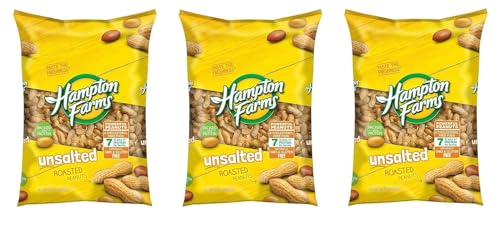
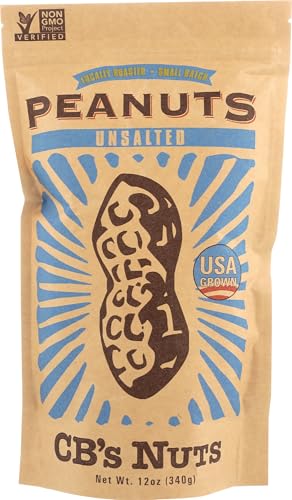
🥜 Best Unsalted Peanuts for Blue Jays
Why We Recommend It:
Unsalted peanuts are an easy way to provide Blue Jays with a food they naturally enjoy.
Key Features:
- ✔ Plain and unsalted
- ✔ Suitable for Blue Jays
- ✔ Can be offered whole
- ✔ Works well in platform feeders
- ✔ Attracts other nut-eating backyard birds
Best For: Blue Jays, woodpeckers, nuthatches, and other backyard birds
Price: Check Amazon for current pricing.
- 🌱 Naturally Nutritious Snack Packed with plant-based protein and essential nutrients, these peanuts are a wholesome ever…
- 🔥 Freshly Roasted for Crunch Small-batch roasted to deliver a rich aroma and perfectly crunchy texture in every bite.
- 🥜 Premium Quality Whole Peanuts Carefully selected in-shell peanuts ensure freshness, quality, and a traditional snackin…

- [WHAT’S INCLUDED]: Premium whole raw peanuts in shells in a 25 pound bulk bag. Natural, unsalted peanuts grown in USA wi…
- [ATTRACTS WILDLIFE]: Irresistible to squirrels, chipmunks, raccoons, deer and larger bird species like blue jays, crows …
- [ENERGY & NUTRITION]: Energy-rich and packed with protein and healthy fats. Naturally high in essential nutrients suppor…
Do Blue Jays Eat Acorns?
Yes. Acorns are one of the most important natural foods associated with Blue Jays.
Blue Jays frequently collect acorns from oak trees. They may eat them immediately or carry them away and hide them for later.
This food-caching behavior is one of the most interesting things about Blue Jays.
When autumn arrives and oak trees produce acorns, Blue Jays can become especially active around oak trees as they collect and transport this food.
Why Do Blue Jays Eat Acorns?
Acorns provide Blue Jays with a valuable source of food and energy.
There are several reasons Blue Jays collect acorns:
1. Acorns Are Nutrient-Dense
Nuts contain concentrated energy that can help birds meet their daily energy needs.
2. Acorns Are Easy to Transport
Blue Jays have strong bills and can carry acorns away from oak trees.
3. Acorns Can Be Stored
Blue Jays don’t always eat an acorn immediately. They can hide food in the ground or other locations for later.
4. Acorns Are Naturally Available
Oak trees provide a seasonal supply of acorns, especially during autumn.
Where Do Blue Jays Store Acorns?
Blue Jays are famous for caching acorns.
They may carry an acorn away from an oak tree and bury it in soil, leaf litter, or another suitable location. Later, the bird can return and retrieve the stored food.
However, not every cached acorn is recovered.
This behavior can help spread oak seeds and makes Blue Jays an interesting part of oak woodland ecosystems.
How Many Acorns Can a Blue Jay Carry?
Blue Jays have an impressive ability to transport food.
They can carry multiple acorns during a trip, using their bill and throat area to hold food while flying between feeding and storage locations.
This allows them to move acorns considerable distances from the original tree.
Do Blue Jays Eat Other Nuts?
Yes. Blue Jays eat a variety of nuts and seeds.
Their diet can include:
- Acorns
- Peanuts
- Other nuts
- Sunflower seeds
- Seeds
- Grains
- Fruits
- Berries
- Insects
This varied diet makes Blue Jays relatively easy to attract with the right combination of backyard bird foods.
Can Blue Jays Eat Sunflower Seeds?
Yes. Sunflower seeds are another excellent food for Blue Jays.
Black oil sunflower seeds are particularly popular in backyard bird feeding because many bird species can eat them.
If you already use sunflower seeds to attract cardinals, chickadees, or other backyard birds, Blue Jays may also visit your feeder.
👉 Related Guide: Best Birdseed for Blue Jays
🌻 Best Sunflower Seeds for Blue Jays
Why We Recommend It:
Sunflower seeds are an easy food to add to your backyard feeding setup and can attract Blue Jays along with many other wild birds.
Key Features:
- ✔ Popular with many backyard birds
- ✔ Easy to offer in most feeders
- ✔ Works well in seed mixes
- ✔ Good option for Blue Jay feeding
Best For: Blue Jays and mixed backyard bird feeding
Price: Check Amazon for current pricing.

- Natural Seed for Bird Delight: Our Non-GMO Black Oil Sunflower Seeds provide a chemical-free and sustainable food source…
- Authentically Unprocessed: Traces of field debris and twigs in our seeds attest to their natural origin and lack of arti…
- Protein-Packed Nourishment: These sunflower seeds are rich in high-quality protein, ensuring your feathered visitors rec…

- Natural Seed for Bird Delight: Our Non-GMO Black Oil Sunflower Seeds provide a chemical-free and sustainable food source…
- Authentically Unprocessed: Traces of field debris and twigs in our seeds attest to their natural origin and lack of arti…
- Protein-Packed Nourishment: These sunflower seeds are rich in high-quality protein, ensuring your feathered visitors rec…

- Contains twelve 5.35-ounce bag of BIGS Taco Bell Taco Supreme Sunflower Seeds
- The creamy, spicy Taco Bell Taco Supreme flavor you know and love combined with our crunchy, delicious seeds—it’s a matc…
- Satisfy your between-meal cravings without filling up
Do Blue Jays Eat Peanut Pieces?
Yes. Unsalted peanut pieces can be an excellent feeder food for Blue Jays.
Smaller pieces are convenient because birds can quickly pick them up and carry them away.
When buying peanut pieces for wild birds, make sure they are plain and unsalted.
Why Use Peanut Pieces?
- ✔ Easy for Blue Jays to pick up
- ✔ Convenient for platform feeders
- ✔ Easy to mix with sunflower seeds
- ✔ Attracts other nut-eating birds
- ✔ Convenient for backyard bird feeding
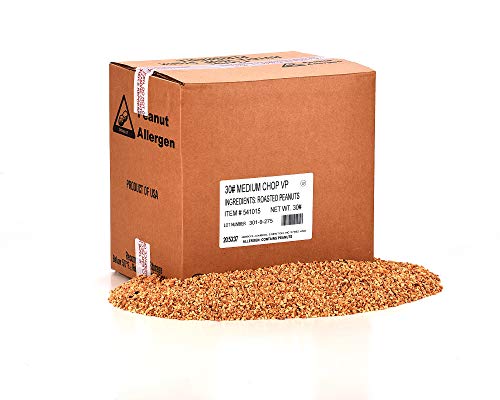
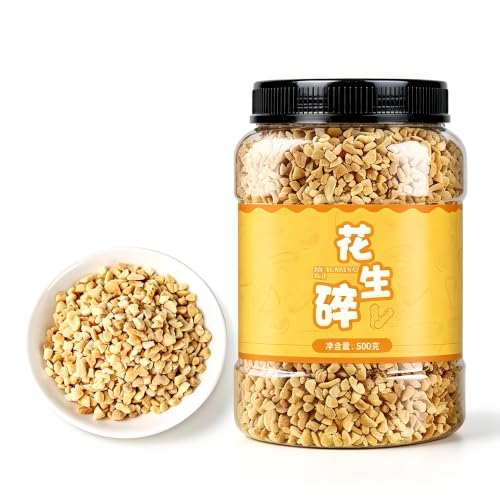
🥜 Best Peanut Pieces for Blue Jays
Why We Recommend It:
Plain peanut pieces are convenient for feeders and make an easy addition to a Blue Jay feeding station.
Key Features:
- ✔ Unsalted
- ✔ Plain
- ✔ Easy for birds to pick up
- ✔ Suitable for platform feeders
- ✔ Can be mixed with other bird food
Best For: Blue Jays, woodpeckers, nuthatches, and other wild birds
Price: Check Amazon for current pricing.

What Is the Best Food for Blue Jays?
There isn’t just one food that every Blue Jay prefers.
However, some of the best options for backyard feeding include:
🥜 Unsalted Peanuts
A top choice for attracting Blue Jays.
🌻 Sunflower Seeds
A reliable food that attracts many backyard bird species.
🌰 Acorns
A natural Blue Jay food, particularly around oak trees.
🐦 Wild Bird Seed
A quality seed mix can attract Blue Jays along with other wild birds.
🥜 Peanut Pieces
An easy-to-eat option for Blue Jays and other birds.
🐦 Best Wild Bird Seed Mix for Blue Jays
Why We Recommend It:
A quality wild bird seed mix can provide Blue Jays with several foods in one convenient blend.
Key Features:
- ✔ Suitable for mixed backyard bird feeding
- ✔ Can contain sunflower seeds and nuts
- ✔ Attracts multiple wild bird species
- ✔ Easy to use in platform and hopper feeders
Best For: Blue Jays and mixed backyard bird populations
Price: Check Amazon for current pricing.


What Is the Best Feeder for Blue Jays?
Because Blue Jays are relatively large birds, they need enough space to land and feed comfortably.
A platform feeder or hopper feeder is often a good choice.
A peanut feeder can also work well when you’re specifically offering peanuts.
Look for these features:
- ✔ Strong construction
- ✔ Large feeding area
- ✔ Easy to clean
- ✔ Good drainage
- ✔ Stable design
- ✔ Enough space for larger birds
👉 Read Next: Best Bird Feeder for Blue Jays:
How to Attract Blue Jays With Peanuts and Acorns
If you want to see more Blue Jays in your backyard, try these simple steps.
1. Offer Unsalted Peanuts
Place plain peanuts in a sturdy platform or peanut feeder.
2. Add Sunflower Seeds
Sunflower seeds can attract Blue Jays and other backyard birds.
3. Use a Large Feeder
Choose a feeder that gives larger birds enough room to land and feed.
4. Keep Oak Trees
If you have mature oak trees, they can naturally provide acorns for Blue Jays.
5. Provide Fresh Water
A clean birdbath can make your backyard more attractive to birds.
6. Keep Feeders Clean
Clean feeders regularly and remove old or spoiled food.
👉 Related Guide: How to Attract Blue Jays
Peanuts vs. Acorns for Blue Jays
| Feature | Peanuts | Acorns |
|---|---|---|
| Natural Blue Jay food | ✔ | ✔ |
| Popular with Blue Jays | ✔ | ✔ |
| Easy to buy | ✔ | — |
| Found naturally | — | ✔ |
| Can be cached | ✔ | ✔ |
| Good backyard option | ✔ | ✔ |
Peanuts are easier for most homeowners to provide, while acorns are an important natural food that Blue Jays collect from oak trees.
Do Blue Jays Store Peanuts?
Yes, Blue Jays can carry food away from feeders and store it for later.
Although their acorn-caching behavior is especially well known, Blue Jays can also transport other foods away from a feeding area.
If you notice a Blue Jay grabbing a peanut and immediately flying away, it may be taking the food somewhere else to eat or cache.
Do Blue Jays Eat Acorns in Winter?
Yes. Acorns can remain an important food resource after autumn.
Blue Jays collect and cache acorns during periods when they are plentiful. These stored foods can later become available when other natural food sources are less abundant.
This is one reason Blue Jays are frequently associated with oak habitats.
Frequently Asked Questions
Do Blue Jays eat peanuts and acorns?
Yes. Blue Jays eat both peanuts and acorns. Acorns are an important natural food, while peanuts are a popular backyard feeder food.
What kind of peanuts do Blue Jays eat?
Blue Jays can eat shelled peanuts and peanuts in the shell. Plain, unsalted peanuts are the best choice for backyard feeding.
Do Blue Jays eat walnuts?
Blue Jays can eat a variety of nuts. However, when feeding backyard birds, plain unsalted peanuts and sunflower seeds are simpler and commonly used options.
Where do Blue Jays store their food?
Blue Jays can cache food in the ground, leaf litter, and other hidden locations. Their acorn-caching behavior is particularly well known.
What do Blue Jays eat?
Blue Jays eat acorns, nuts, seeds, grains, fruits, berries, insects, and other foods.
What is a Blue Jay’s favorite food?
Blue Jays have a varied diet, but peanuts and sunflower seeds are popular foods to offer at backyard feeders.
Can Blue Jays eat sunflower seeds?
Yes. Sunflower seeds are a popular backyard food for Blue Jays and many other wild birds.
How do you attract Blue Jays?
Offer unsalted peanuts, sunflower seeds, or quality wild bird seed in a sturdy platform or hopper feeder. Providing water and maintaining a clean feeding area can also help.