Tufted Titmouse (Baeolophus bicolor)
- Size: 5.5–6.3 in (14–16 cm)
- Wingspan: 7.9–10.2 in (20–26 cm)
- Weight: 0.6–0.9 oz (18–26 g)
- Color: Gray back, white belly, black forehead patch
- Call: “Peter-peter-peter” whistle
- Lifespan: 2–3 years (wild), some reach 10+
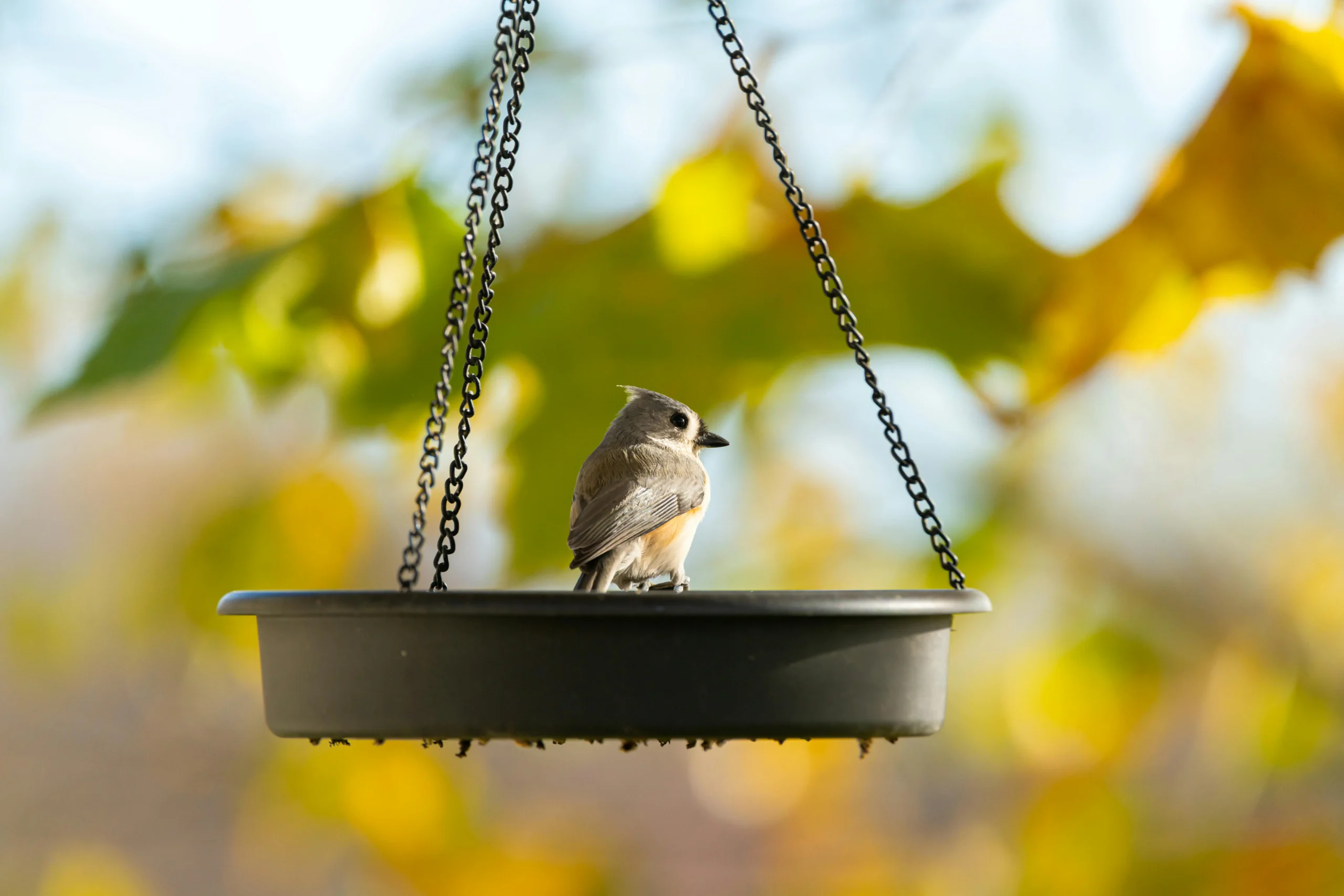
The Tufted Titmouse is a lively and charming songbird often found flitting around feeders and forest edges in the eastern United States. With its soft gray plumage, big black eyes, and perky crest, it’s a favorite among backyard bird lovers.
Identification
Small and round-bodied with:
- A noticeable gray crest
- Black forehead patch
- Soft white underparts
- Peachy flanks
Their large dark eyes give them a curious, expressive appearance.
Range & Habitat
Common throughout the eastern and southeastern U.S., especially in:
- Deciduous forests
- Suburban neighborhoods
- Wooded parks
- Backyards with feeders
Diet
Tufted Titmice are omnivores with a varied diet:
- Sunflower seeds
- Peanuts
- Insects (beetles, caterpillars, spiders)
- Acorns & seeds
- Berries
Nesting
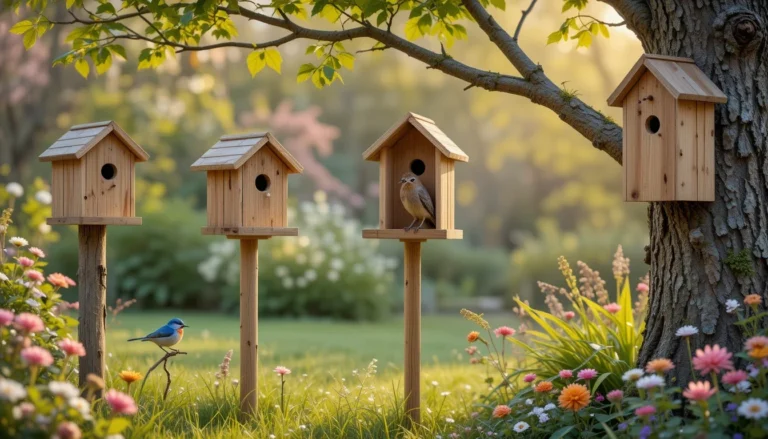
They nest in cavities—natural holes, old woodpecker spots, and nest boxes.
- Clutch: 5–7 eggs
- Incubation: 12–14 days
- Fledge: ~16 days
Often line nests with soft materials like moss or fur.
Behavior
Tufted Titmice are active and bold, often grabbing seeds quickly and retreating to crack them open. They commonly join mixed-species flocks in winter with chickadees and woodpeckers.
Conservation Status
Least Concern — expanding northward due to warmer winters and increased bird feeding.
FAQ
Why do Tufted Titmice take one seed at a time?
They prefer carrying seeds to a perch to crack them open safely.
Do Titmice migrate?
No — they are year-round residents throughout their range.
What sounds do they make?
Their signature call is a clear “peter-peter-peter,” along with chirps and whistles.
How do I attract Tufted Titmice?
Offer sunflower seeds, peanuts, suet, and provide nest boxes with small entrances.