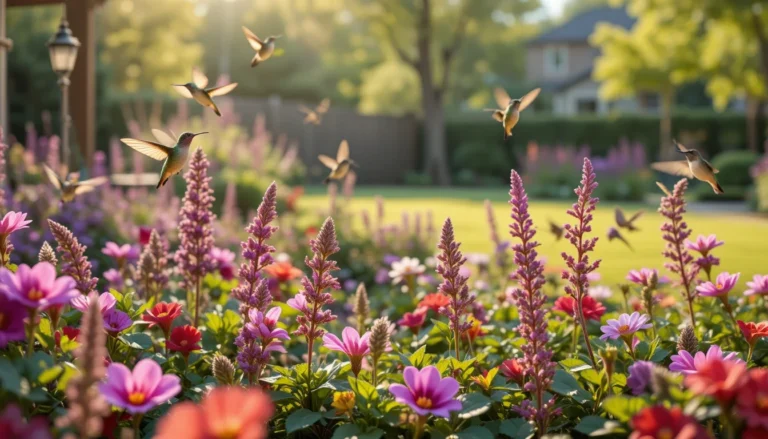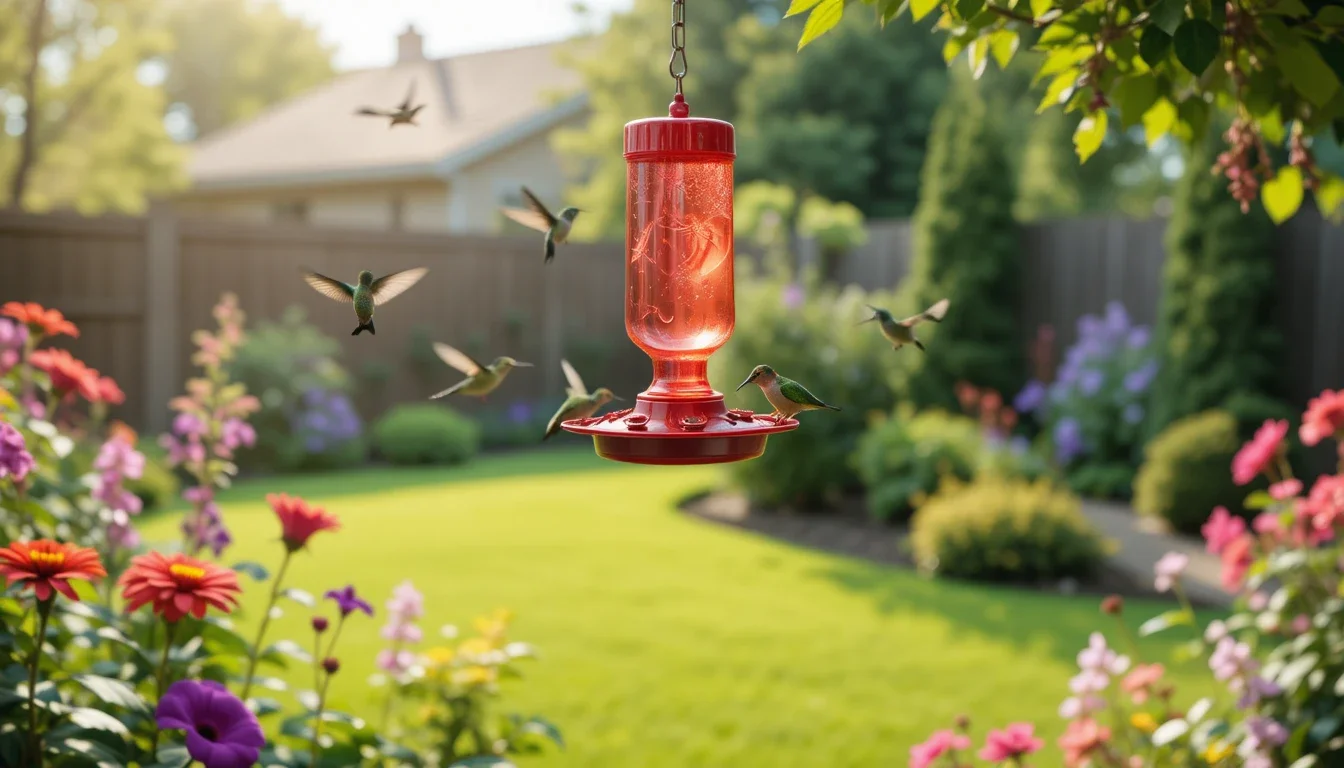
Few sights are as magical as watching a hummingbird hover gracefully, its wings beating so fast they blur into motion. These tiny birds bring life, color, and joy into any garden. If you’ve set up a hummingbird feeder but haven’t seen visitors yet, you’re not alone. Many bird lovers often wonder: how to attract hummingbirds to feeder and keep them coming back? The secret lies in understanding what hummingbirds look for — fresh nectar, safe spaces, and attractive surroundings. In this detailed guide, you’ll learn step-by-step how to make your feeder irresistible to hummingbirds, avoid common mistakes, and create a welcoming habitat right in your backyard.
Hummingbirds Visit Feeders
In the wild, hummingbirds feed on nectar from flowers, tiny insects, and tree sap. Feeders act as a supplemental food source, especially when flowers are not in full bloom. Offering sugar water in feeders helps these energetic birds maintain their high metabolism and gives you the chance to enjoy them up close. When done correctly, a feeder can become a regular stop for hummingbirds, giving you daily opportunities to watch their fascinating behavior.
Choosing the Right Feeder
The first step in attracting hummingbirds is selecting a feeder that’s both bird-friendly and easy to maintain.
- Color matters: Red is the best color for attracting hummingbirds since they are naturally drawn to it. Choose a feeder with red parts but avoid adding food coloring to the nectar.
- Design: Pick feeders with several feeding ports to allow multiple birds to feed without fighting.
- Ease of cleaning: Hummingbird feeders must be cleaned often. Select one with simple parts that can be washed thoroughly.
- Durability: Choose feeders made of glass or sturdy plastic that can withstand heat and weather changes.
Hummingbird Nectar Preparation
Hummingbird nectar is very simple to prepare, and you don’t need to buy pre-made mixes.
- Mix 1 part white sugar with 4 parts water.
- Stir until sugar dissolves completely.
- Never use honey, brown sugar, or artificial sweeteners.
- Do not add red dye; it’s unnecessary and may harm the birds.
Store extra nectar in the fridge for up to one week.
Best Placement for Your Hummingbird Feeder
Feeder location is critical for success. If you place it in the wrong spot, hummingbirds may never find it.
- Visibility: Position feeders where birds can easily see them — near flower beds, shrubs, or open areas.
- Shade: Hang feeders in partial shade to prevent nectar from spoiling quickly.
- Height: Keep feeders at eye level or slightly higher for easy viewing and refilling.
- Safety: Avoid areas near windows, busy patios, or spots where cats can lurk.
A shaded, quiet area near flowers is usually the best place to hang your feeder.
Timeline for Hummingbirds to Notice a Feeder
Patience is key. In some areas, hummingbirds may appear within a few hours or days. In others, it may take up to two weeks. Birds need time to notice new food sources and adjust their feeding routes. If you don’t see any activity, don’t give up. Keep nectar fresh and try moving the feeder to a more open and visible spot.
Enhancing Your Garden to Attract Hummingbirds
Feeders alone may not always be enough. To increase your chances, create a hummingbird-friendly garden.
- Plant nectar-rich flowers: Trumpet vine, bee balm, salvia, fuchsia, and columbine are favorites.
- Use bright colors: Red, orange, and pink flowers are the most attractive.
- Add water sources: A small fountain or mister will draw hummingbirds, who love to bathe in fine sprays.
- Provide perching spots: Small branches, trellises, or wires give hummingbirds places to rest and guard feeders.
Common Problems and Solutions
Even with the best setup, you might face challenges. Here’s how to solve them:
- No hummingbirds visiting:
- Move feeder to a more open location.
- Ensure nectar is fresh.
- Plant more flowers to draw them in.
- Move feeder to a more open location.
- Bees and wasps:
- Use feeders with bee guards.
- Avoid yellow parts on feeders, as they attract insects.
- Use feeders with bee guards.
- Ants invading:
- Install an ant moat above the feeder.
- Apply a thin layer of petroleum jelly on the hanging wire.
- Install an ant moat above the feeder.
- Mold growth:
- Clean feeders every 3–4 days with hot water and vinegar.
- Avoid dish soap, as residue can harm birds.
- Clean feeders every 3–4 days with hot water and vinegar.
Creating a Safe Environment
Attracting hummingbirds isn’t just about feeders — it’s also about protection.
- Keep feeders away from places where cats or predators can hide.
- Place feeders away from windows to reduce collision risks.
- Avoid pesticides in your garden, as they can harm hummingbirds and the insects they eat.
FAQs
Use red feeders filled with fresh sugar water, place them in visible shaded spots, and add nectar-rich flowers nearby.
Some people use foil to reflect sunlight and attract attention, but flowers and colorful feeders are more effective.
Reasons may include spoiled nectar, poor placement, or abundant natural food sources in your area.
In a shaded, quiet area near flowers and away from predators or high-traffic zones.
Usually a few days to two weeks, depending on food availability and bird activity in your region.
Final Thoughts
Learning how to attract hummingbirds to a hummingbird feeder requires patience, the right setup, and a little garden planning. By using clean feeders, offering fresh nectar, and surrounding your yard with colorful plants, you’ll create an inviting haven for these delightful birds. Over time, hummingbirds will learn to trust your feeder as a reliable food source — and you’ll enjoy the beauty and excitement of their visits all season long.