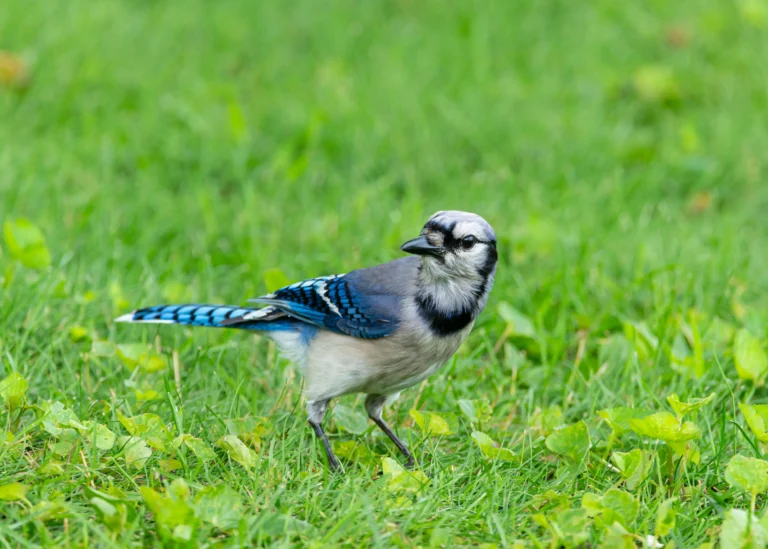
Downy Woodpecker (Dryobates pubescens)
- Color: Black & white; males have a small red patch
- Size: 5.5–7 in (14–18 cm)
- Wingspan: 10–12 in (25–30 cm)
- Weight: 0.7–1.0 oz (20–28 g)
- Call: Sharp “pik” notes; descending whinny
- Lifespan: 2–4 years (wild)
The Downy Woodpecker is the smallest and one of the most widespread woodpeckers in North America. Known for its energetic drumming, bold black-and-white pattern, and friendliness toward backyard feeders, it’s a familiar sight across the United States.
Identification
Downy Woodpeckers have a checkered black-and-white pattern with a short bill. Males have a red patch on the back of the head, while females do not. They resemble the Hairy Woodpecker but are smaller and have a shorter bill.
Range & Habitat
Found throughout most of the United States and Canada:
- Deciduous forests
- Backyards & feeders
- Parks & orchards
- Wooded suburban areas
Diet
Feeds on insects, seeds, berries, and suet.
- Suet cakes (favorite)
- Peanuts
- Sunflower seeds
- Insect larvae
Nesting
Downy Woodpeckers excavate nest cavities in dead trees or soft wood.
- Clutch: 3–6 eggs
- Incubation: ~12 days
- Fledge: ~20–25 days
Behavior
Active climbers and drummers, often feeding on tree trunks and branches. They frequently visit backyard suet feeders and are relatively tame around humans.
Conservation Status
Least Concern — stable & widespread population.
FAQ
How do I attract Downy Woodpeckers?
Offer suet, peanuts, and sunflower seeds. Keep feeders near trees.
Is it easy to tell Downy and Hairy Woodpeckers apart?
Yes — Downies are smaller with a shorter bill.
Do Downy Woodpeckers migrate?
Mostly non-migratory; some northern birds move south slightly in winter.
What does their drumming mean?
Territory marking and mate attraction.