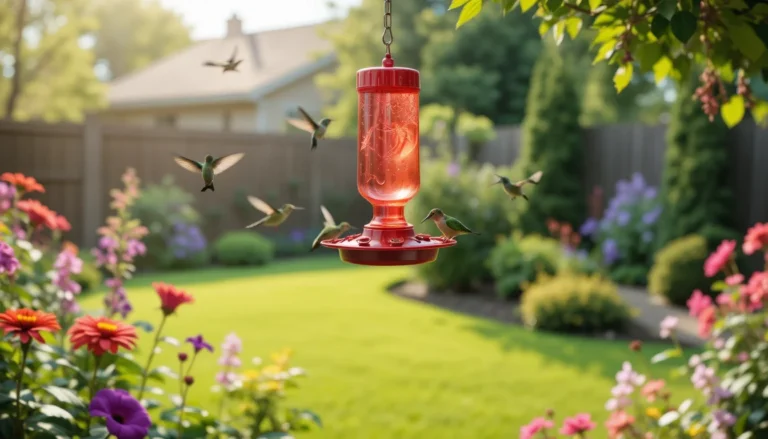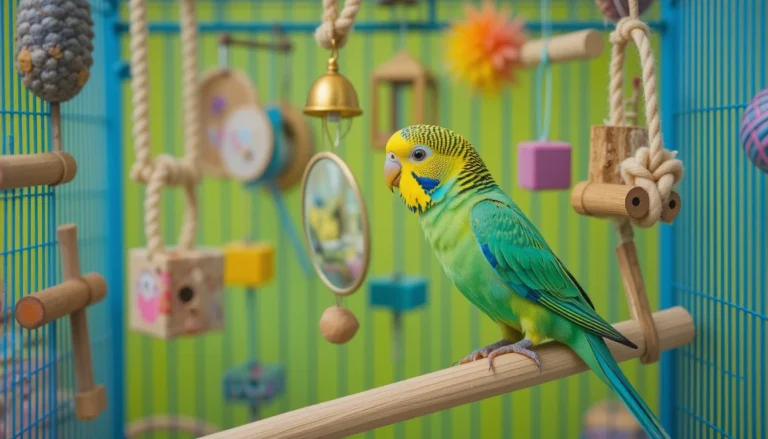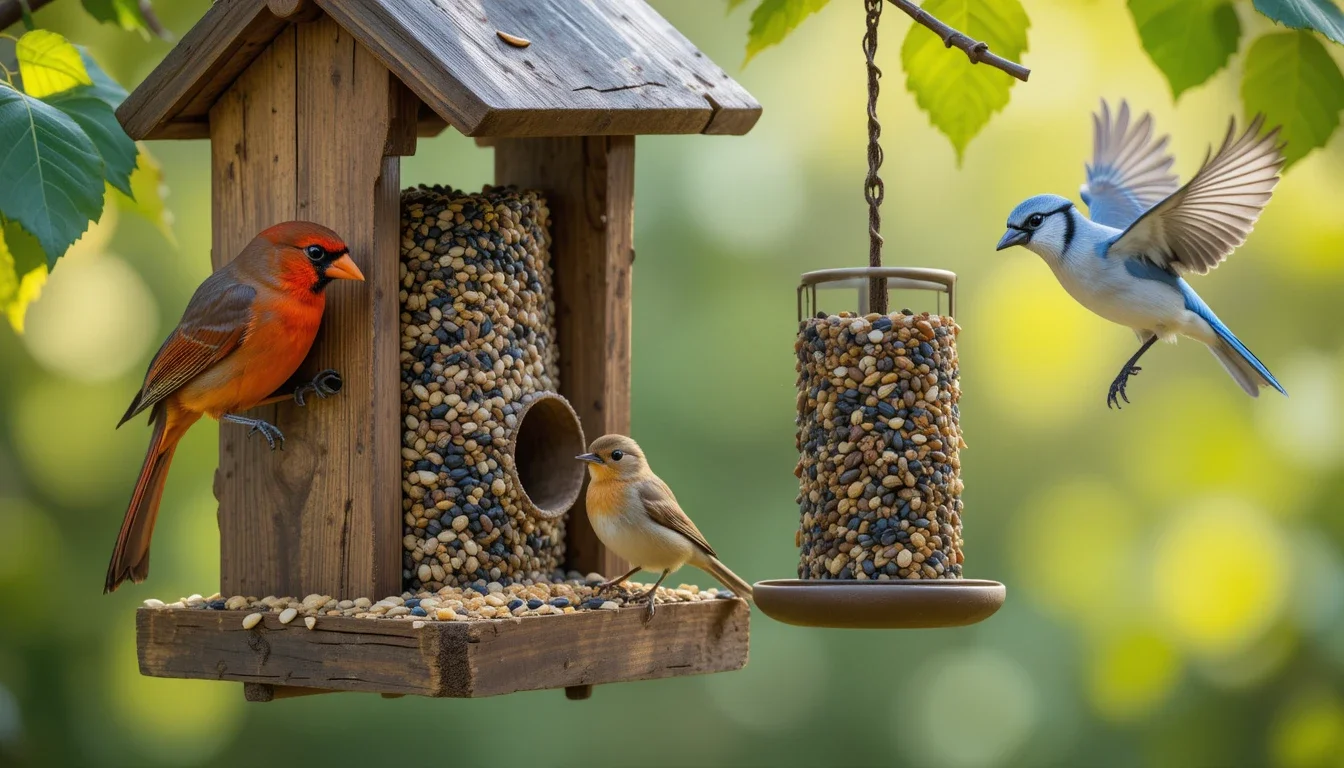
Transforming your backyard into a bustling bird sanctuary is a rewarding experience, but the key to success isn’t just a feeder—it’s what you put in it. Choosing the best bird food is the first step to attracting a wide variety of birds and ensuring their health and well-being. This complete guide will walk you through everything you need to know about feeding wild birds, from top-tier options to safe kitchen treats and foods you should always avoid.
Understanding a Bird’s Diet
Before we discuss specific foods, it’s essential to understand a bird’s natural dietary needs. Birds are opportunistic eaters, and their diet changes with the seasons and the availability of food. They require a mix of protein, fats, carbohydrates, and minerals to maintain energy, build muscle, and survive different life stages like migration and nesting.
Providing a diverse array of foods is the best way to meet these varied needs. This not only ensures they get a balanced diet but also helps you attract a wider range of species to your yard.
The All-Stars of the Bird Feeder: Top-Tier Foods
These foods should form the foundation of any feeding station. They are packed with the nutrients birds need and are safe for a wide variety of species.
1. Sunflower Seeds: The King of Bird Food
If there’s one item that deserves the title of best bird food, it’s sunflower seeds. They are a universal favorite and are incredibly nutritious.
- Black Oil Sunflower Seeds: These are the most popular type. Their thin shells are easy for even small birds to crack open, and their high oil content provides essential fats for energy. They attract a huge range of birds, including chickadees, finches, and cardinals.
- Striped Sunflower Seeds: These have a thicker shell, making them more challenging for smaller birds but perfect for larger species like jays and grosbeaks.
2. Safflower Seeds: The Squirrel Deterrent
If squirrels and larger, more aggressive birds like starlings are dominating your feeders, try using safflower seeds. Most of these animals find their bitter taste unappealing, while many of your favorite backyard birds, including cardinals, chickadees, and house finches, will happily eat them. This helps create a more peaceful feeding environment.
3. Peanuts: A Protein Powerhouse
Peanuts are an excellent source of protein and fat. You can offer them in various forms:
- Shelled Peanuts: Place these in a wire mesh feeder. This makes birds work for their food and prevents them from taking large portions at once.
- Peanut Pieces: These are great for smaller birds and can be mixed with other seeds or offered on a tray feeder. Always ensure they are unsalted and unflavored, as salt is very harmful to a bird’s kidneys.
4. Suet: A Winter Lifesaver
Suet, which is rendered beef fat, is a high-energy food that is a lifesaver for birds during cold weather when they need extra calories to maintain their body temperature. You can buy premade suet cakes, often mixed with seeds, nuts, or dried fruit.
5. Nyjer Seed: A Magnet for Finches
Also known as thistle seed, Nyjer seed is a tiny, oil-rich seed that goldfinches and other small finches adore. Due to its size, you will need a special feeder with small ports to prevent spillage.
What to Feed Birds from the Kitchen: A Guide to Safe Foods
You don’t always need to buy expensive food to attract birds. Many items from your kitchen can be safe and nutritious additions to their diet.
- Oats: Both rolled and quick oats are perfectly safe. You can offer them raw or cooked without any added salt or sugar.
- Cooked Rice: Can we give rice to birds? Yes, you can. The common myth that rice harms birds is false. Plain, unseasoned cooked or uncooked rice is perfectly safe.
- Hard-Boiled Eggs: Crushed with the shells, hard-boiled eggs provide an excellent source of protein and calcium. The shells are especially beneficial for female birds during the breeding season.
- Fruits and Berries: Birds love fresh fruit. Cut small pieces of apples, oranges, and bananas. You can also offer berries like blueberries and raisins.
- Vegetables: Cooked corn and peas are often a hit with birds. Just make sure they are plain and unseasoned.
The Bread Debate: Can Birds Eat Bread?
Bread offers very little nutritional value and can fill a bird’s stomach, leaving no room for more nutritious food. A diet high in bread can lead to malnutrition and other health problems. It’s best to avoid it and stick to healthier, more beneficial options.
The Forbidden List: Poisonous Foods for Birds
Some common human foods are highly toxic to birds. It’s crucial to know what to avoid.
- Avocado: This is the most important food to avoid. It contains a toxin called persin that is fatal to many bird species.
- Chocolate: It contains theobromine, which can cause cardiac arrest in birds.
- Salty Foods: Too much salt is very bad for a bird’s kidneys and can lead to dehydration.
- Onions and Garlic: These contain compounds that can cause a type of anemia in birds.
- Raw Beans: Uncooked beans contain a toxin called phytohemagglutinin that is extremely dangerous.
- Dairy Products: Birds are generally lactose intolerant and cannot digest milk, cheese, or other dairy products properly.
FAQs
A varied mix is the best overall bird food. A combination of high-fat and high-protein foods like sunflower seeds, peanuts, and suet will attract a wide variety of species. For pet birds, a diet of fortified pellets, fresh fruits, and vegetables is generally recommended.
Yes, you can. Plain, cooked or uncooked rice is safe for birds. Just make sure it’s not seasoned.
Apples, oranges, and bananas are excellent choices. They are easy to find and full of vitamins.
For wild birds, a daily refill of a good seed mix, along with a constant supply of fresh water, is a great routine. You can add treats like mealworms or fruit a few times a week. For pet birds, it’s best to follow a vet’s recommendation, which typically includes a daily mix of pellets and fresh produce.
The best food to feed a bird isn’t a single item; it’s a variety of foods that meet their specific nutritional needs. What works best depends on whether you’re feeding wild birds or a pet bird.
Conclusion
Ultimately, providing the best bird food isn’t about finding a single perfect item; it’s about offering a variety of safe, high-quality options. By understanding what different birds need and what foods are most beneficial, you’re doing more than just filling a feeder—you’re playing a vital role in the health and survival of your local bird population.
By choosing nutrient-rich seeds, offering safe kitchen treats, and avoiding harmful foods, you can turn your backyard into a reliable and welcoming sanctuary for all your feathered friends.