
Mourning Dove (Zenaida macroura)
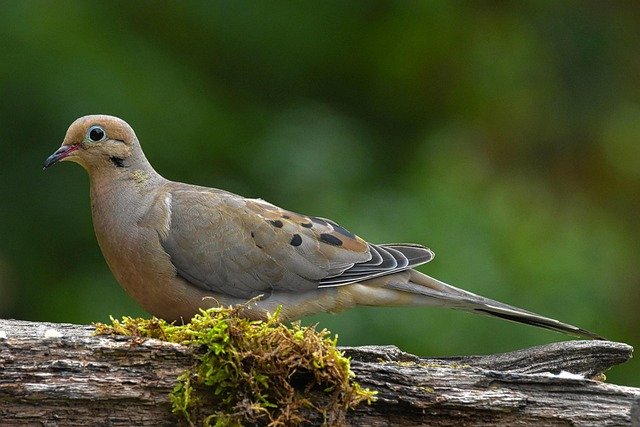
- Color: Light brown, gray wings, black spots
- Size: 9–13 in (23–34 cm)
- Wingspan: 17–18 in (43–45 cm)
- Weight: 4–6 oz (112–170 g)
- Call: Soft “coo-OO-oo” mourning call
- Lifespan: 1–5 years (wild), occasionally 10+
The Mourning Dove is one of the most familiar and gentle backyard birds in North America. Recognizable by its soft cooing calls and graceful flight, this dove is common in urban, suburban, and rural habitats across the United States.
Identification
Soft gray-brown plumage with black wing spots and a long, tapered tail. Their wings make a distinctive whistling sound during takeoff and landing.
Range & Habitat
Found in nearly all U.S. states, as well as Mexico and southern Canada.
- Backyards
- Open fields
- Suburban areas
- Farms & grasslands
Diet
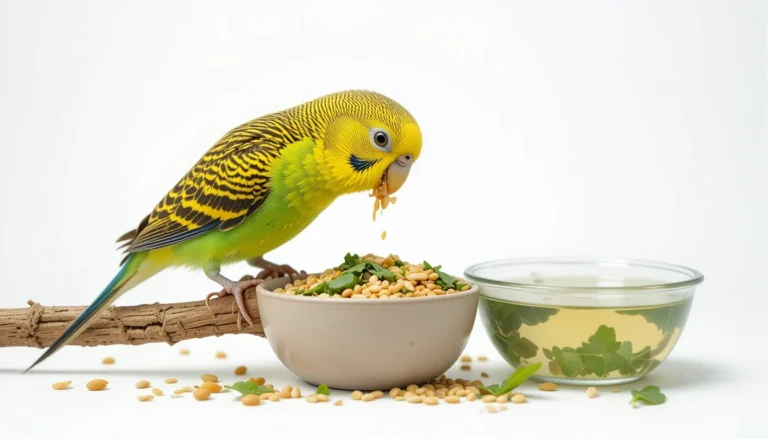
Mourning Doves mainly eat seeds and grains.
- Millet (favorite)
- Cracked corn
- Sunflower seeds
- Safflower
Nesting
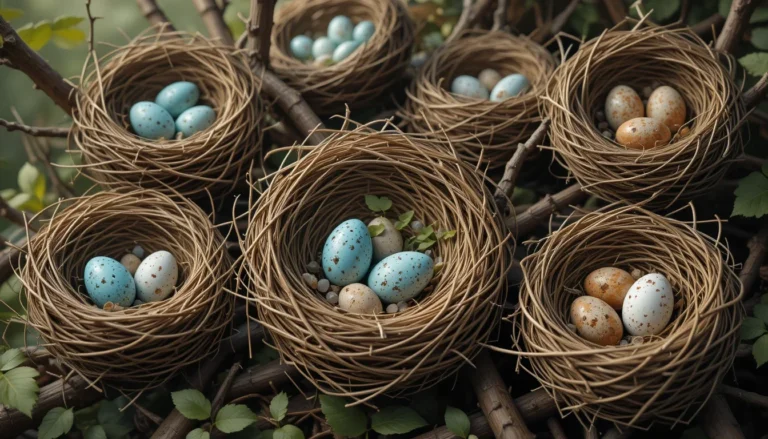
Nests are simple, often flimsy platforms built on horizontal branches or building ledges.
- Clutch: 2 eggs (very consistent)
- Incubation: 14–15 days
- Fledge: ~12–14 days
They may raise 3–6 broods per year.
Behavior
Often seen feeding on the ground. Their flight is strong and direct, and their soft cooing calls are a signature sound of many neighborhoods.
Conservation Status
Least Concern — one of the most abundant birds in North America.
FAQ
Why is it called a “Mourning” Dove?
Because the gentle cooing call sounds sorrowful or mournful.
What do Mourning Doves eat?
Mostly seeds, especially millet, sunflower, and corn.
Do Mourning Doves migrate?
Some do, especially northern populations, but many remain year-round in warm areas.
Are Mourning Doves friendly?
Yes — they are gentle and tolerant of humans and feeders.