Knowing how often to change hummingbird nectar is an important part of caring for backyard hummingbirds. Fresh nectar can help keep your feeder clean and inviting, while old or spoiled nectar can develop mold, fermentation, and other contamination.
So, how often should you change it?
The answer depends mainly on temperature, sunlight, feeder cleanliness, and how quickly the nectar is being consumed. Nectar can spoil faster during hot weather, so your feeder may need more frequent attention in summer.
In this guide, you’ll learn when to change hummingbird nectar, how to tell when it has gone bad, how to store extra nectar, and how to keep your feeder fresh throughout the feeding season.
How Often Should You Change Hummingbird Nectar?
You should check hummingbird nectar regularly and replace it before it becomes spoiled or contaminated.
There isn’t one exact schedule that works for every feeder. Temperature plays a major role.
As a general guide:
- Hot weather: Check the nectar daily and replace it more frequently.
- Moderate weather: Inspect the nectar regularly and replace it when needed.
- Cool weather: Nectar may last longer, but it should still be checked regularly.
- Any weather: Replace nectar immediately if it becomes cloudy, moldy, fermented, or contaminated.
If you’re unsure whether nectar is still fresh, it’s safer to discard it, clean the feeder, and add a fresh batch.
Why Does Hummingbird Nectar Spoil?
Hummingbird nectar contains sugar and water, which can provide an environment where microorganisms can grow.
Several factors can speed up spoilage:
- High temperatures
- Direct sunlight
- Dirty feeder components
- Old nectar
- Insects or debris
- Frequent exposure to air
- Residue left inside the feeder
This is why simply adding fresh nectar to an old batch isn’t a good practice.
Instead, empty the feeder and clean it before adding fresh nectar.
How Can You Tell If Hummingbird Nectar Has Gone Bad?
Always inspect nectar before allowing hummingbirds to continue feeding from it.
Signs of spoiled or contaminated nectar can include:
Cloudy Appearance
Fresh nectar should not look unusually cloudy. If the mixture has become cloudy, discard it and clean the feeder.
Mold
Look for dark spots, fuzzy growth, or other signs of mold around the nectar, feeding ports, or inside the feeder.
Unusual Smell
If the nectar develops an unusual or fermented smell, don’t use it.
Floating Debris
Insects, dirt, plant material, or other debris are signs that the nectar should be replaced.
Sticky or Crusty Residue
Sugar can build up around feeding ports and other areas of the feeder. Clean the feeder thoroughly before refilling it.
How Often Should You Change Hummingbird Nectar in Hot Weather?
Hot weather requires extra attention.
High temperatures can cause nectar to deteriorate more quickly, especially when the feeder is exposed to direct sunlight.
During very warm weather:
- Check the nectar every day.
- Keep the feeder out of strong direct sunlight when practical.
- Don’t overfill the feeder.
- Replace nectar as soon as it shows signs of spoilage.
- Clean the feeder regularly.
If temperatures are particularly high, don’t rely on a fixed number of days. Inspect the nectar every day and use its condition as your guide.
How Often Should You Change Hummingbird Nectar in Cooler Weather?
Nectar generally deteriorates more slowly when temperatures are cooler.
However, that doesn’t mean you should leave it in the feeder indefinitely.
Continue checking the feeder regularly for:
- Cloudiness
- Mold
- Debris
- Fermentation
- Insects
- Residue
If the nectar looks or smells unusual, replace it.
Should You Change Hummingbird Nectar Every Day?
Not necessarily.
Changing nectar every day may be unnecessary when temperatures are moderate and the nectar remains fresh.
However, daily inspection is a good habit, particularly during hot weather.
The goal isn’t to follow an arbitrary schedule. The goal is to make sure hummingbirds have access to fresh, uncontaminated nectar.
What Happens If You Leave Nectar in a Feeder Too Long?
Old nectar can become contaminated or spoiled.
You may notice:
- Cloudy liquid
- Mold growth
- Fermentation
- Dark residue
- Unpleasant odors
- Insect activity
A dirty feeder can also develop buildup around feeding ports and inside the reservoir.
If you discover spoiled nectar, don’t simply pour it out and refill the feeder. Clean the feeder thoroughly before adding fresh nectar.
For detailed cleaning instructions, read [How to Clean a Hummingbird Feeder].
How to Change Hummingbird Nectar Properly
Changing nectar is simple, but doing it correctly helps keep your feeder clean.
Step 1: Remove the Feeder
Take the feeder down carefully.
Step 2: Empty the Old Nectar
Discard the remaining nectar. Don’t mix old nectar with a fresh batch.
Step 3: Take the Feeder Apart
Disassemble the feeder as much as the design allows.
Step 4: Clean the Feeder
Wash the components thoroughly with warm water and mild dish soap, following the manufacturer’s cleaning recommendations.
Step 5: Rinse Thoroughly
Make sure no soap residue remains.
Step 6: Dry the Feeder
Allow the components to dry before refilling.
Step 7: Add Fresh Nectar
Fill the clean feeder with fresh nectar and put it back in its location.
For a simple homemade recipe, see [Homemade Hummingbird Nectar].
Should You Clean the Feeder Every Time You Change Nectar?
If the feeder has visible residue, contamination, or old nectar, clean it before refilling.
Avoid simply topping off the feeder with fresh nectar.
A clean feeder is especially important when you’re dealing with:
- Mold
- Cloudy nectar
- Fermented nectar
- Sticky buildup
- Insects
- Debris
For regular maintenance, follow the cleaning instructions recommended for your specific feeder.
How Much Nectar Should You Put in a Feeder?
Try not to fill the feeder with more nectar than hummingbirds can reasonably consume before it needs to be replaced.
Using smaller amounts can help reduce waste, especially when you have only a few hummingbirds visiting your yard.
For example, instead of filling a large feeder completely, you may choose to add a smaller amount and refill it with fresh nectar as needed.
This approach can be especially useful during hot weather.
How to Store Extra Hummingbird Nectar
If you make more nectar than you need, store the unused mixture in a clean, covered container in the refrigerator.
Before using stored nectar, check it carefully.
Discard it if you notice:
- Cloudiness
- Fermentation
- Mold
- An unusual smell
- Contamination
Never add questionable nectar to a feeder just to avoid wasting it.
Can You Reuse Old Hummingbird Nectar?
No. If nectar has been sitting in a feeder long enough to become questionable, don’t try to refresh it by adding new sugar water.
Discard the old nectar, clean the feeder, and use a fresh batch.
Fresh nectar is a better choice than trying to extend the life of old nectar.
Does Sunlight Make Hummingbird Nectar Spoil Faster?
Heat can contribute to faster nectar deterioration.
A feeder exposed to strong direct sunlight may become warmer than one placed in a cooler, partially shaded location.
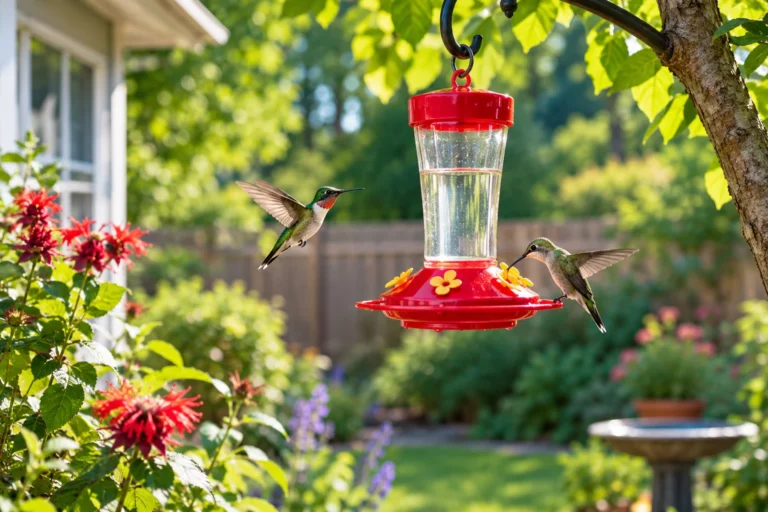
When possible, choose a location that provides some shade while still allowing you to easily see and maintain the feeder.
For more placement advice, read [Where to Hang a Hummingbird Feeder].
How to Keep Hummingbird Nectar Fresh Longer
You can make feeder maintenance easier by following a few simple habits.
Choose a Shaded Location
Partial shade can help keep nectar cooler than strong direct sunlight.
Make Smaller Batches
If you have only a few hummingbirds visiting, prepare smaller amounts of nectar.
Don’t Overfill the Feeder
Only provide an amount that can reasonably be consumed before the nectar needs to be replaced.
Inspect the Feeder Daily
A quick visual check can help you notice problems before they become serious.
Keep the Feeder Clean
Regular cleaning helps prevent residue and contamination from building up.
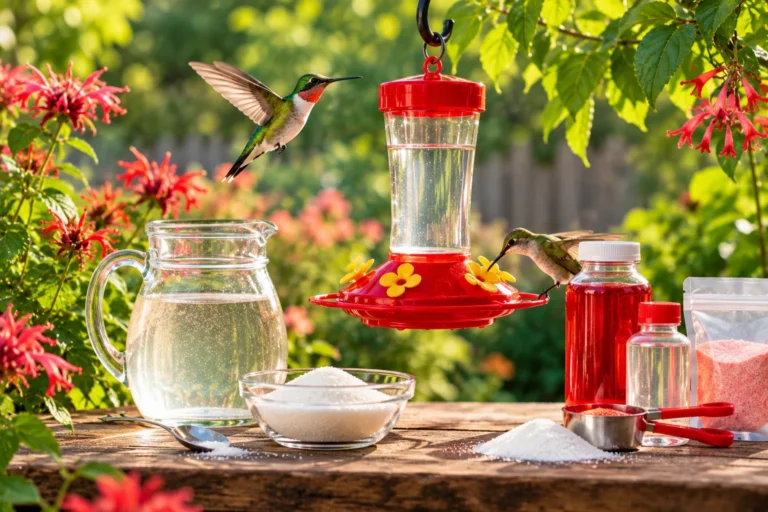
Homemade Hummingbird Nectar
The standard homemade recipe uses:
- 1 part white granulated sugar
- 4 parts water
For example:
1 cup sugar + 4 cups water
Mix until the sugar dissolves completely and allow the nectar to cool before putting it in the feeder.
Avoid adding honey, artificial sweeteners, or unnecessary coloring.
For complete preparation instructions, read [Homemade Hummingbird Nectar].
Does Fresh Nectar Attract More Hummingbirds?
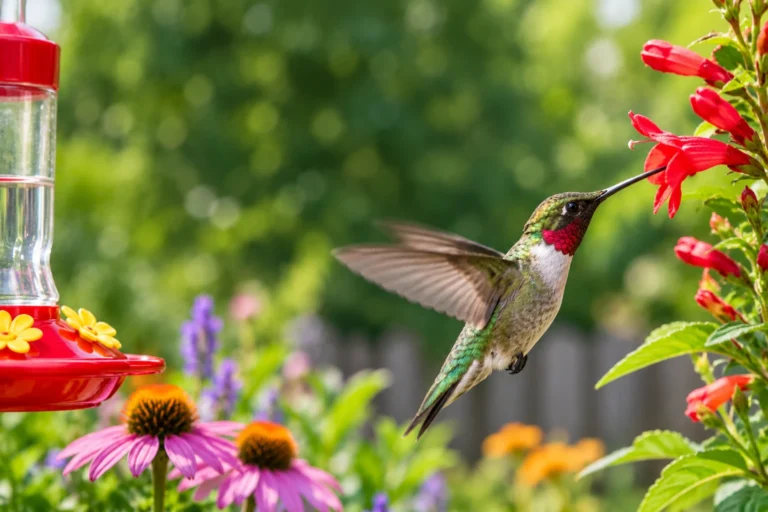
Fresh nectar can make your feeder a more reliable food source, but hummingbirds don’t rely exclusively on feeders.
They naturally feed on flower nectar and small insects.
You can make your yard more attractive by combining clean feeders with nectar-rich plants.
See our guide to [Best Flowers for Hummingbirds] for ideas.
You can also learn more about creating a hummingbird-friendly backyard in [How to Attract Hummingbirds to Your Yard].
Common Hummingbird Nectar Mistakes
Leaving Nectar in the Feeder Too Long
Don’t rely on a fixed schedule if the weather is hot. Check the nectar regularly.
Topping Off Old Nectar
Never simply add fresh nectar to old nectar.
Ignoring Cloudy Nectar
Cloudiness can indicate that the nectar is no longer suitable. Replace it and clean the feeder.
Forgetting to Clean Feeding Ports
Residue can collect around small feeding openings. Clean the entire feeder, not just the reservoir.
Overfilling the Feeder
Large amounts of unused nectar can lead to unnecessary waste.
Adding Unnecessary Ingredients
Keep homemade nectar simple. The standard sugar-and-water recipe doesn’t require extra ingredients.
Frequently Asked Questions
How often should you change hummingbird nectar?
Check nectar regularly and replace it before it becomes spoiled or contaminated. During hot weather, inspect it daily because high temperatures can cause nectar to deteriorate more quickly.
How long can hummingbird nectar sit outside?
There is no single safe number of days for every situation. Temperature, sunlight, feeder cleanliness, and other conditions affect how quickly nectar deteriorates. Check it frequently and replace it if it becomes cloudy, moldy, fermented, or contaminated.
Should I change hummingbird nectar every day?
Not necessarily. Daily replacement may not be needed when conditions are cool or moderate and the nectar remains fresh. However, daily inspection is especially important during hot weather.
What happens if hummingbirds drink old nectar?
Spoiled or contaminated nectar is not something you should intentionally provide. If you suspect the nectar has spoiled, discard it, clean the feeder, and replace it with fresh nectar.
How often should I clean my hummingbird feeder?
Clean the feeder regularly and whenever you find mold, cloudy nectar, residue, or other contamination. Warm weather may require more frequent maintenance.
Can I put fresh nectar on top of old nectar?
No. Empty the feeder first, clean it, and then add fresh nectar.
How do I know if hummingbird nectar is bad?
Look for cloudiness, mold, fermentation, unusual odors, debris, or significant residue. When in doubt, discard the nectar and clean the feeder.
Does hummingbird nectar go bad in the refrigerator?
Stored nectar can also deteriorate over time. Keep it covered and refrigerated, and discard it if it develops an unusual appearance, smell, or other signs of contamination.
Is homemade nectar better than commercial hummingbird nectar?
Homemade nectar is inexpensive and uses simple ingredients. Commercial nectar can be more convenient. The best option depends on your feeding routine and preference.
For a detailed comparison, see [Best Hummingbird Nectar].
Final Thoughts
Knowing how often to change hummingbird nectar is less about following one rigid schedule and more about paying attention to the conditions around your feeder.
Hot weather, direct sunlight, dirty feeders, and leftover nectar can all contribute to faster deterioration. Check nectar regularly, replace it when necessary, and always clean the feeder before adding fresh nectar when contamination or residue is present.
A simple routine of fresh nectar, regular inspection, and proper feeder cleaning can help you maintain a cleaner and more welcoming feeding station for hummingbirds.
For more hummingbird feeding advice, explore our guides to [Best Hummingbird Nectar], [Homemade Hummingbird Nectar], and [How to Clean a Hummingbird Feeder].