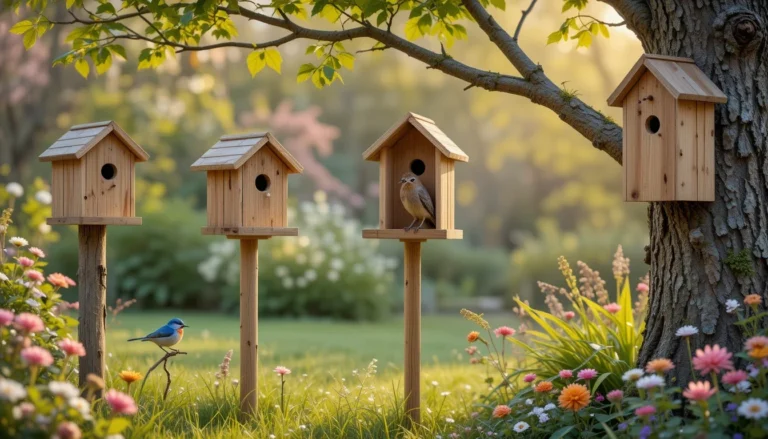
Welcome to the wonderful world of backyard birding! Providing a safe and suitable nesting site is one of the most rewarding ways to support local wildlife. A well-chosen bird nest box transforms your garden into a vibrant nursery, offering shelter and breeding grounds for various bird species. This comprehensive guide will help you navigate the options, from classic wooden nest boxes to durable plastic bird houses, ensuring you select the perfect abode for your avian guests.
Understanding the specific needs of different birds is crucial. Just like people have diverse housing preferences, so do birds. We’ll delve into the ideal designs, materials, and placement strategies to make your backyard irresistible to cavity-nesting birds. Let’s explore how to create a thriving avian sanctuary right outside your door.
Why a Bird Nest Box Matters: Beyond Just a Home
A bird nest box offers more than just a place for birds to sleep. These carefully designed structures provide essential benefits, particularly for cavity-nesting species facing habitat loss.
Protection from Predators: A secure nest box safeguards eggs and young from predators like snakes, raccoons, and cats. The entrance hole size is critical here, allowing the target species in while keeping larger predators out.
Shelter from Elements: Birds need protection from harsh weather, including heavy rains, strong winds, and extreme temperatures. A sturdy bird house offers insulation and a dry environment.
Nesting Opportunities: Many bird species, such as wrens, chickadees, and bluebirds, naturally nest in tree cavities. As old-growth trees decline, artificial nest boxes become vital for their breeding success.
Observation and Education: Placing bird houses in your yard provides an incredible opportunity to observe avian life cycles up close. It’s an educational experience for all ages, fostering an appreciation for nature.
By installing the right nest box, you contribute directly to local bird conservation efforts, helping to maintain healthy bird populations in your area.
Types of Bird Nest Boxes: Finding the Perfect Fit
The market offers a wide array of bird nest box designs, each tailored to specific species. Understanding these variations is key to attracting your desired birds.
Wooden Nest Boxes: The Classic Choice
Wooden nest boxes are by far the most popular and often recommended option. Wood is a natural insulator, providing excellent temperature regulation for nesting birds.
- Material Matters: Opt for untreated, rot-resistant woods like cedar, redwood, or cypress. Avoid treated lumber, as chemicals can be harmful to birds. Pine is also a common choice, though it may require more frequent replacement.
- Design Variations: You’ll find wooden bird houses in numerous styles.
- Small wooden bird houses are perfect for wrens, chickadees, and titmice.
- Large wooden bird houses cater to bigger birds like flickers, owls, or even wood ducks, often requiring specific entrance hole shapes and interior dimensions.
- Decorative wooden bird houses can add charm to your garden, but ensure functionality isn’t sacrificed for aesthetics.
- Wooden bird houses to paint offer a fun DIY project. Use non-toxic, exterior-grade paints if you choose to personalize them. Lighter colors are generally better to prevent overheating.
- Benefits: Excellent insulation, natural appearance, durable when properly maintained.
- Considerations: Can eventually rot or degrade; requires proper ventilation and drainage.
Plastic Bird Houses: Durability and Low Maintenance
While less traditional, plastic bird houses have gained popularity due to their durability and ease of cleaning.
- Material Matters: Look for high-quality, UV-resistant plastic. Some designs even incorporate recycled plastics, making them an eco-friendly option.
- Benefits: Extremely durable, resistant to rot and insects, easy to clean, often lighter than wood. Bird house plastic designs can withstand harsh weather conditions.
- Considerations: Can sometimes lack the natural aesthetic of wood. Ensure proper ventilation to prevent overheating, as plastic can conduct heat more readily than wood. Light colors are crucial.
Other Materials: Ceramics and Gourds
While less common for practical nesting, you might encounter other materials:
- Ceramic Bird Houses: Beautifully decorative but generally not recommended for actual nesting due to poor insulation and potential for sharp edges.
- Gourd Bird Houses: A traditional, natural option, especially for purple martins. They offer good insulation but require treatment for longevity.
Matching the Box to the Bird: Species-Specific Requirements
This is where the real magic happens. To attract specific species, you must understand their unique bird nest types and preferences. Each bird has a desired entrance hole size, interior dimensions, and even height preferences.
Small Cavity Nesters (Wrens, Chickadees, Titmice)
- Bird Nest Box Type: Small wooden bird houses or compact plastic designs.
- Entrance Hole: 1 to 1.5 inches in diameter. Specific sizes (e.g., 1 1/8″ for wrens, 1 1/4″ for chickadees).
- Interior Dimensions: Roughly 4x4x6 to 5x5x8 inches.
- Placement: 5-10 feet high, usually mounted on a tree or post in a semi-open area.
Medium Cavity Nesters (Bluebirds, Tree Swallows)
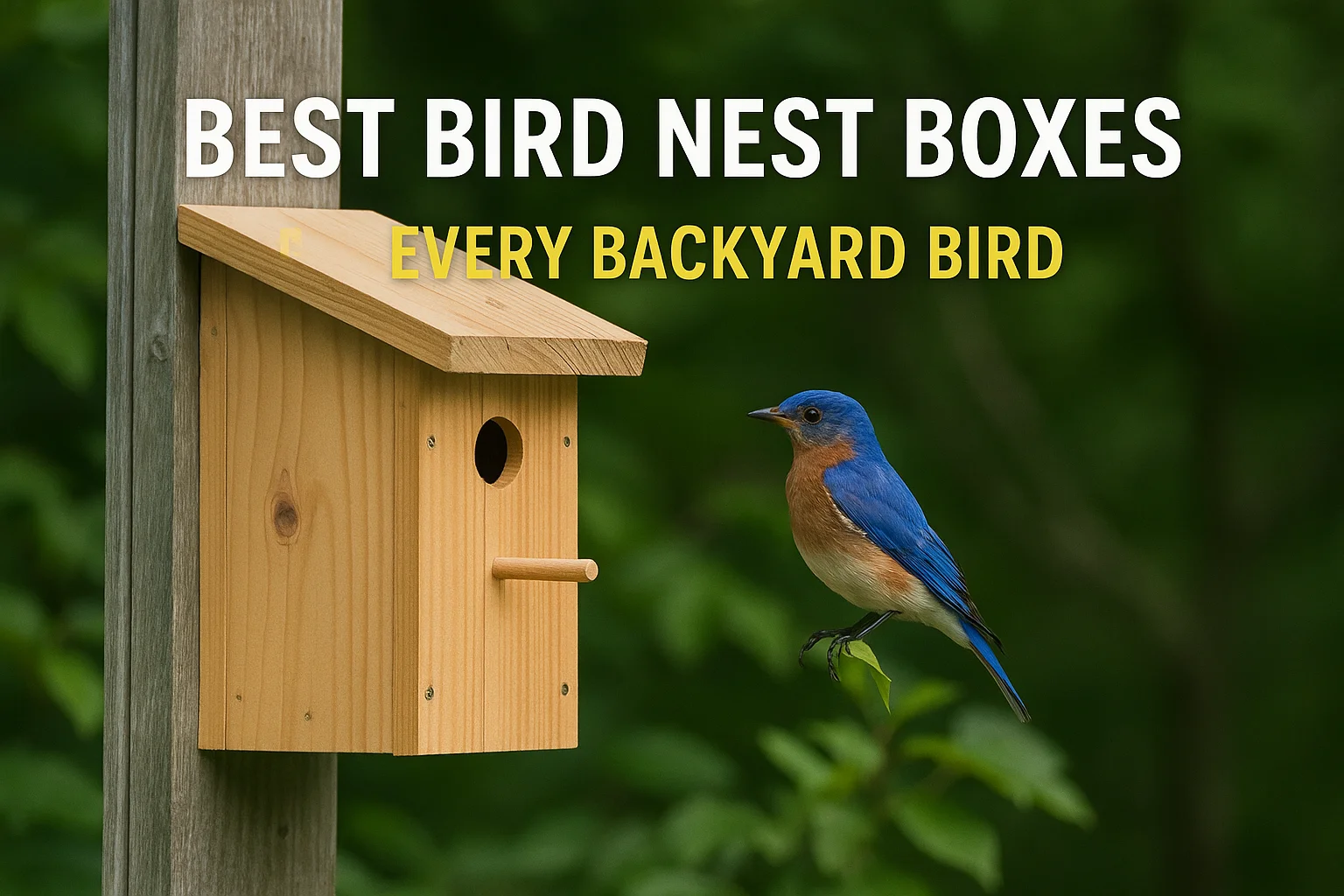
- Bird Nest Box Type: Standard wooden nest box or plastic bluebird house.
- Entrance Hole: 1.5 inches in diameter for Eastern Bluebirds. Oval holes for Western Bluebirds are also common.
- Interior Dimensions: 5x5x8 to 5x5x10 inches.
- Placement: 5-7 feet high, in open grassy areas with scattered trees, facing away from prevailing winds.
Larger Cavity Nesters (Woodpeckers, Small Owls, Kestrels)
- Bird Nest Box Type: Large wooden bird houses, often with a specific entrance shape (e.g., oval for flickers).
- Entrance Hole: Varies significantly (e.g., 1.75 inches for Downy Woodpecker, 2.5 inches for Northern Flicker, 3 inches for American Kestrel).
- Interior Dimensions: Can range from 6x6x12 inches up to 8x8x16 inches.
- Placement: Higher up (10-20 feet), in more wooded areas or on isolated poles.
Special Cases (Purple Martins, Barn Swallows)
- Purple Martins: These colonial birds prefer multi-compartment houses or gourds mounted on tall poles (12-20 feet) in open areas near water. They require specialized bird nest boxes.
- Barn Swallows: These birds prefer open-front nesting shelves mounted under eaves or inside open barns. They don’t use enclosed bird nest boxes in the traditional sense.
Key Takeaway: Always research the specific requirements of the birds you hope to attract. A single bird nest box won’t suit all species.
Essential Features of a Good Bird Nest Box
Beyond material and size, several design elements are critical for a functional and safe nest box.
Proper Ventilation
Overheating is a significant risk, especially in summer.
- Solution: Small gaps or drilled holes under the eaves or near the top of the bird house allow hot air to escape without creating drafts inside the nest cavity. This is crucial for both wooden bird houses and plastic bird houses.
Adequate Drainage
Water accumulation can lead to chilling and disease.
- Solution: Small holes drilled in the bottom of the nest box allow any moisture to escape. Recessed bottoms can also help.
Easy Access for Cleaning
Hygiene is paramount.
- Solution: A hinged side panel, front panel, or roof allows for easy access to remove old nesting material after each breeding season. This is a non-negotiable feature for responsible bird landlords.
Predator Guards
Protecting the entrance hole is vital.
- Solution: A thick wooden block around the entrance hole (a “predator guard”) or metal plate prevents squirrels and larger birds from enlarging the hole and raiding the nest. No perch should be installed near the entrance, as it aids predators.
Rough Interior Surface
Birds need traction to climb out of the box.
- Solution: The interior front wall should be rough. If smooth (e.g., from plastic or planed wood), etch grooves or attach a small piece of hardware cloth to provide purchase.
Placement and Mounting:
Even the best bird nest box will go unused if improperly placed.
Height and Orientation
- Height: Varies by species (as noted above). Generally, 5-15 feet for most backyard birds.
- Orientation: Face the entrance hole away from prevailing winds (often north or east in many regions) to prevent rain entry and provide shade from intense afternoon sun.
- Sun Exposure: Partial shade is often ideal, especially for darker materials or plastic bird houses to prevent overheating.
Location in Your Yard
- Open vs. Wooded: Bluebirds prefer open fields, while wrens and chickadees are content in more suburban, tree-lined settings.
- Proximity to Other Boxes: Maintain adequate spacing between nest boxes for the same species to reduce territorial disputes. For different species, closer placement can work.
- Proximity to Food/Water: While not always essential, having a bird feeder or bird bath nearby can make your yard more attractive overall.
- Predator Avoidance: Keep nest boxes away from dense shrubbery where predators can hide. Mounting on a metal pole with a baffle is often more secure than on a tree, which squirrels can easily climb.
Mounting Methods
- Post Mount: A sturdy metal or wooden post is ideal for open-country birds like bluebirds. Use a baffle to deter predators.
- Tree Mount: For birds that prefer forested areas. Use rust-proof screws or lag bolts. Avoid wires that can girdle the tree.
- House Mount: Some bird houses can be mounted directly onto a building, such as under eaves.
Maintenance and Monitoring: Being a Responsible Landlord
Your job doesn’t end after installation. Regular maintenance ensures the bird nest box remains a safe and healthy environment.
Regular Cleaning
- Frequency: After each brood fledges, or at least once a year in late fall or early spring before the next nesting season.
- Method: Remove all old nesting material. Scrape out any hardened debris. Use a stiff brush and warm water. A diluted bleach solution (1 part bleach to 9 parts water) can be used to disinfect if needed, but rinse thoroughly and allow to air dry completely before re-installation. Wear gloves.
Inspect for Damage
- Check: Look for loose panels, damaged entrance holes, wasp nests, or ant infestations. Repair as needed.
- Repairs: Replace rotten wood in wooden bird houses. Ensure all screws and hinges are secure.
Dealing with Unwanted Guests
- House Sparrows and Starlings: These non-native, invasive species can be aggressive and harmful to native birds. If they attempt to nest, their nests should be removed promptly. This is an ongoing management challenge for many birders.
- Wasps: If wasps build nests inside, remove them carefully when birds are not present. Rubbing soap or wax inside the roof can deter them.
- Squirrels: Predator guards and baffles are key.
- Other Inhabitants: Sometimes, mice or insects might take residence. Clean thoroughly before birds return.
Monitoring Ethically
- Observation: Observe from a distance. Avoid disturbing nesting birds, especially during incubation and brooding.
- Documentation: Keeping notes on species, clutch size, and fledging success can be very rewarding and contribute to citizen science projects.
DIY Bird Nest Boxes: Building Your Own Haven
For the hands-on enthusiast, building your own bird nest box can be a satisfying project.
- Plans: Numerous free plans are available online for various species. Look for designs from reputable ornithological organizations.
- Materials: Select untreated lumber like cedar, redwood, or rough-sawn pine.
- Tools: Basic carpentry tools (saw, drill, hammer/screws, measuring tape).
- Customization: Wooden bird houses to paint allow for personalization. Remember to use non-toxic, light-colored exterior paints. Ensure all essential features like ventilation, drainage, and easy cleaning are incorporated into your design. This is a great way to create a truly unique and decorative wooden bird house that is also functional.
Beyond the Box: Enhancing Your Backyard for Birds
While a bird nest box is a fantastic start, a holistic approach will make your backyard a true bird paradise.
- Native Plantings: Provide natural food sources (berries, seeds, nectar) and cover for birds. Native plants also support insects, which are crucial food for nestlings.
- Water Source: A clean bird bath or shallow water feature is invaluable for drinking and bathing.
- Food Feeders: Supplement natural food sources with high-quality birdseed, suet, or nectar feeders.
- Pesticide-Free Zone: Avoid chemicals that harm insects, which are a vital food source, and can directly poison birds.
- Predator Management: Keep pet cats indoors, especially during nesting season. Use baffles on feeder and nest box poles.
By integrating these elements, you create a comprehensive habitat that supports birds throughout their life cycle, not just during nesting season.
`
FAQs
Use untreated wood, cut panels to size, drill the right entrance hole, and assemble with screws. Add ventilation holes and keep it simple.
In a quiet, sheltered area, 5–15 feet above ground, facing away from strong winds.
Yes, they provide safe shelter for birds, support biodiversity, and bring natural pest control to your garden.
Cup, cavity, platform, pendulous, and ground nests.
Ideally 5–15 feet, depending on the bird species you want to attract.
Conclusion
Choosing and maintaining the right bird nest box is a rewarding endeavor that significantly benefits your local bird populations. Whether you opt for a classic wooden nest box or a durable plastic bird house, remember that thoughtful selection, proper placement, and diligent maintenance are key.
By becoming a responsible bird landlord, you provide vital nesting opportunities, protect vulnerable young, and gain the joy of observing nature’s intricate beauty firsthand. So go ahead, select the perfect bird house, and invite a new generation of feathered friends into your backyard. You’ll be amazed at the life and vibrancy they bring!