As bird lovers, we all want the best for our backyard visitors. Whether you’re an experienced birdwatcher or just starting your backyard birding journey, one secret to attracting more feathered friends is offering a protein-rich treat like mealworms. These little worms might look simple, but they pack a big nutritional punch for many bird species. In this guide, we’ll explore why mealworm bird feeders are becoming a top choice for bird enthusiasts across the USA.
The Benefits of Feeding Mealworms to Birds
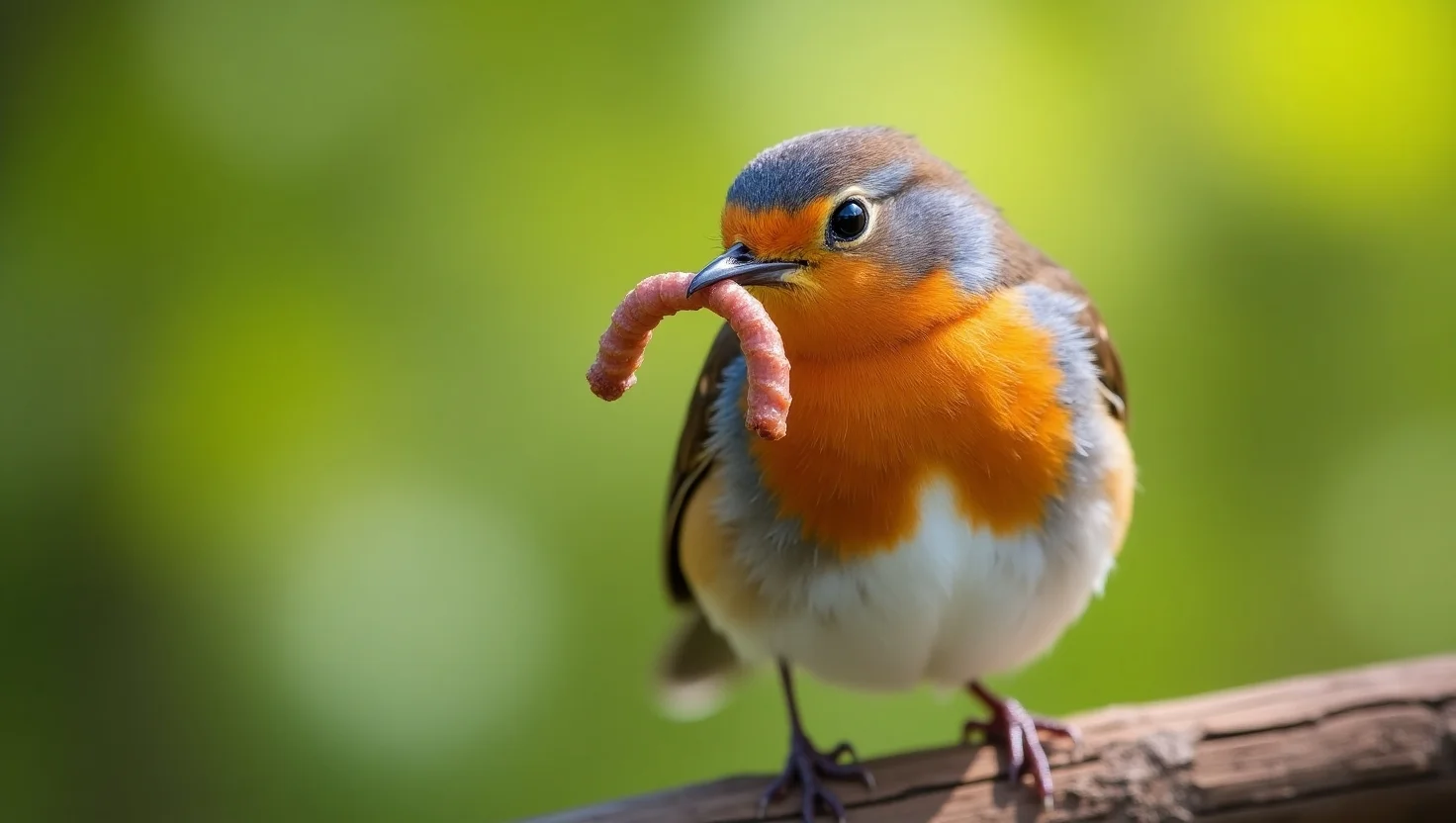
Mealworms are the larvae of the darkling beetle. Birds love them because they’re soft, easy to eat, and packed with protein and fat – essential nutrients for energy, breeding, and survival, especially during the hot summer months when food sources fluctuate.
Whether you’re using dried mealworms for birds or live ones, they mimic the insects birds naturally eat in the wild. That makes them an excellent supplement to the best bird food diets.
List of Birds That Enjoy Mealworms
A wide variety of birds enjoy mealworms. Some common ones include:
- Bluebirds
- Chickadees
- Wrens
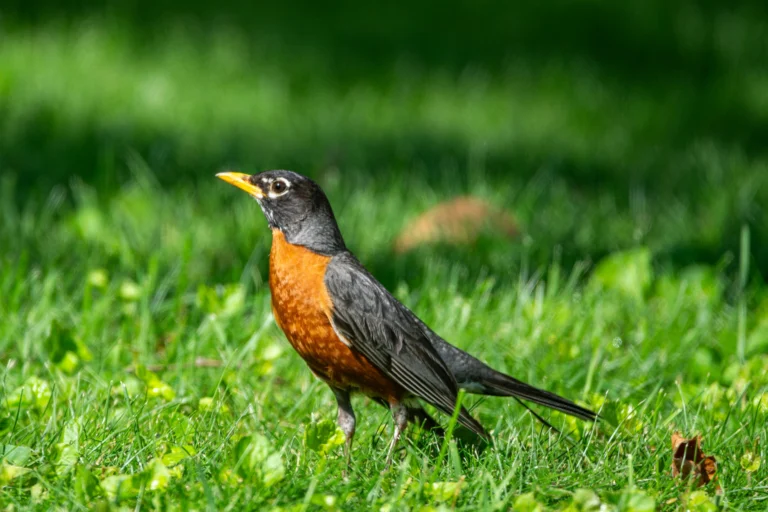
- Robins
- Woodpeckers
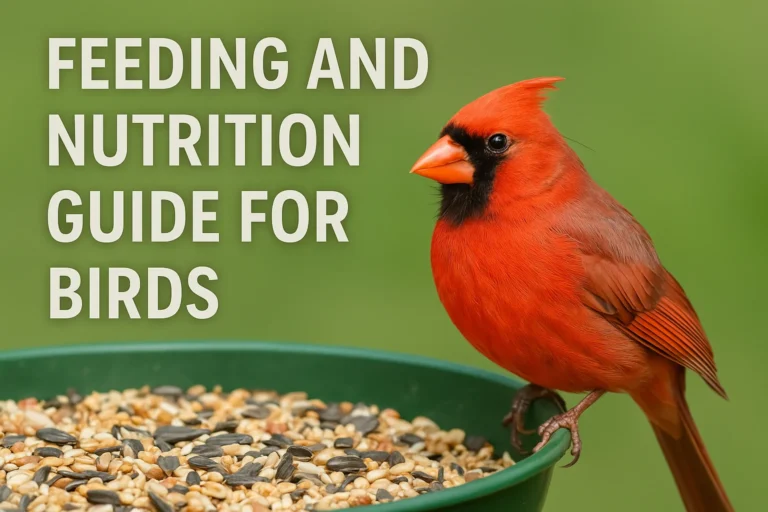
- Cardinals
- Nuthatches
Even some insect-loving migratory birds will stop by your yard if you provide a meal worm feeder stocked with this high-protein snack.
Types of Mealworms: Live vs. Dried
Live Mealworms
These are the closest to a bird’s natural diet. They’re more attractive to birds because of their movement. However, they require refrigeration and must be handled with care.
Dried Mealworms
A popular option due to their long shelf life and convenience. Dried mealworms for birds can be soaked in water for a few minutes to soften them, especially if feeding young chicks.
Choosing the Right Mealworm Bird Feeder
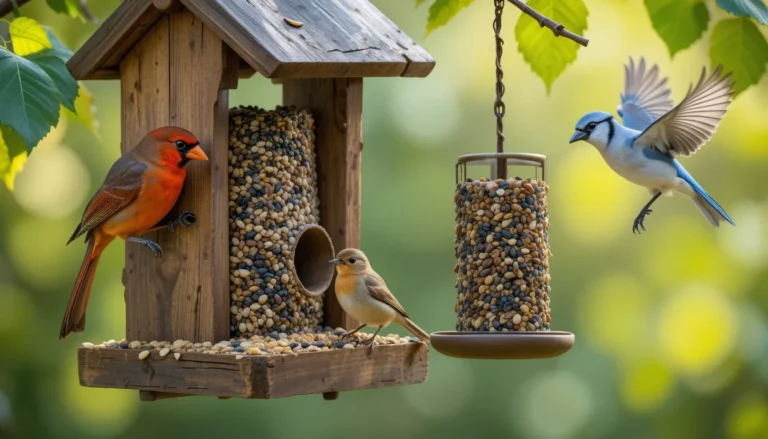
It’s a specialized feeder designed to hold mealworms (live or dried) without letting them scatter. These feeders usually have smooth edges and deep dishes to prevent the mealworms from crawling out.
Best Mealworm Feeder Types:
- Dish or Tray Feeders – Simple and great for deck or patio placement.
- Cage Feeders – Protect the worms from larger birds or squirrels.
- Covered Feeders – Keep mealworms dry during rain.
When searching online or in stores for bird food near me, consider picking up a feeder designed specifically for these insects.
Benefits of Feeding Mealworms to Wild Birds
- Boosts Breeding Success:
Mealworms are rich in protein, which is very important for birds during nesting season. When birds lay eggs and take care of their chicks, they need high-energy food.
By feeding mealworms, you help the parent birds stay strong and give their babies the nutrients they need to grow healthy. This can increase the chances of baby birds surviving and leaving the nest safely. - Supports Molting:
When birds go through molting, they shed old feathers and grow new ones. This is a natural but energy-demanding process. To regrow strong, healthy feathers, birds need extra protein and nutrients in their diet. - Attracts More Species:
Not all birds like to eat seeds. Some birds prefer insects or protein-rich food. By offering mealworms, you attract more types of birds to your backyard—especially insect-eating birds like robins, bluebirds, wrens, and chickadees. This makes your yard more diverse and lively with different bird species. - Encourages Regular Visits:
When birds find a place that gives them tasty and healthy food like mealworms, they remember it. If you keep feeding them regularly, they’ll come back again and again. This helps you build a strong connection with the birds, and you’ll enjoy seeing them in your yard every day.
Right Time and Method to Feed Mealworms
- Spring & Summer: These two seasons are the best times to offer mealworms to birds. Why? Because this is when many birds are nesting and raising their young. Mealworms provide a high-protein diet that helps parent birds stay strong and feed their babies. During the fledgling stage (when young birds start to leave the nest), soft and nutritious food like mealworms becomes even more important.
- Morning & Early Evening: These are the most active feeding times for birds. Early morning, birds are hungry after a full night’s rest, and in the early evening, they often stock up on energy before roosting. So, placing mealworms during these hours increases the chance of birds noticing and eating them.
- Feeding Tip: If you’re just starting out, don’t put out too many mealworms at once. Start with a small amount and watch. Which birds come? How much do they eat? Once you observe their behavior, you can adjust the amount you offer—this way, there’s less waste and you attract the right bird species.
Feeding Birds Soaked Mealworms
Yes, especially if you’re feeding baby birds or older birds. Soaking dried mealworms makes them soft and juicy, which helps birds digest them easily. It also adds moisture, which is good for birds that need extra hydration.
How to Soak Dried Mealworms:
- Put the dried mealworms in a small bowl.
- Pour warm water over them.
- Let them soak for 15 to 30 minutes.
- Drain the water and feed them to the birds.
Mealworms as Feeder Insects
Absolutely. Mealworms aren’t just bait for fishing; they’re a highly effective bird food option. They act as both a treat and a nutrition boost for birds who depend on protein for strength, growth, and energy.
Birds eating mealworms for wild birds often appear more active, healthy, and frequent in return visits. It’s a great way to build a birDried mealworms should be stored in a sealed, airtight container to prevent moisture from getting in. Keep them in a cool, dry place away from direct sunlight to avoid spoilage. This helps maintain their freshness, crunchiness, and keeps insects or pests away.
Storing Mealworms Properly
- Live mealworms:
You should keep them in a container that has small holes for air (ventilation). Use dry food like bran or oats at the bottom. Then, put the container in the refrigerator. This slows down their movement and keeps them fresh for longer. - Dried mealworms:
Dried mealworms should be stored in a sealed, airtight container to prevent moisture from getting in. Keep them in a cool, dry place away from direct sunlight to avoid spoilage. This helps maintain their freshness, crunchiness, and keeps insects or pests away. Proper storage also extends their shelf life.
Places to Buy Mealworms and Feeders
You can easily buy mealworms and bird feeders from nearby pet shops, garden centers, or websites. Well-known brands such as Kaytee, Audubon Park, and Wild Delight sell good-quality mealworms. These brands are trusted by bird lovers because their products are safe and healthy for birds.
Should I soak mealworms for birds? Soaking dried mealworms before feeding helps hydrate them and makes them more digestible, especially for baby birds.
FAQs
A shallow dish or tray-style feeder with smooth sides works best to keep mealworms contained and accessible.
Yes! Most insect-eating birds love mealworms, and they’re a healthy, protein-rich food choice.
Yes, they’re nutritious, easy to digest, and a favorite of many backyard bird species.
It’s a special feeder designed to hold mealworms securely, often tray or cup-style.
Soaking dried mealworms in warm water for 15–30 minutes makes them easier to eat.
Conclusion
Adding mealworms to your bird feeding routine is one of the easiest and most effective ways to support your local bird population. From nutritional benefits to attracting rare species, mealworms offer a powerful punch in a small package.
Want more birds in your yard? Start with a handful of mealworms today—you might be surprised by who shows up for breakfast.