Painted Bunting (Passerina ciris)
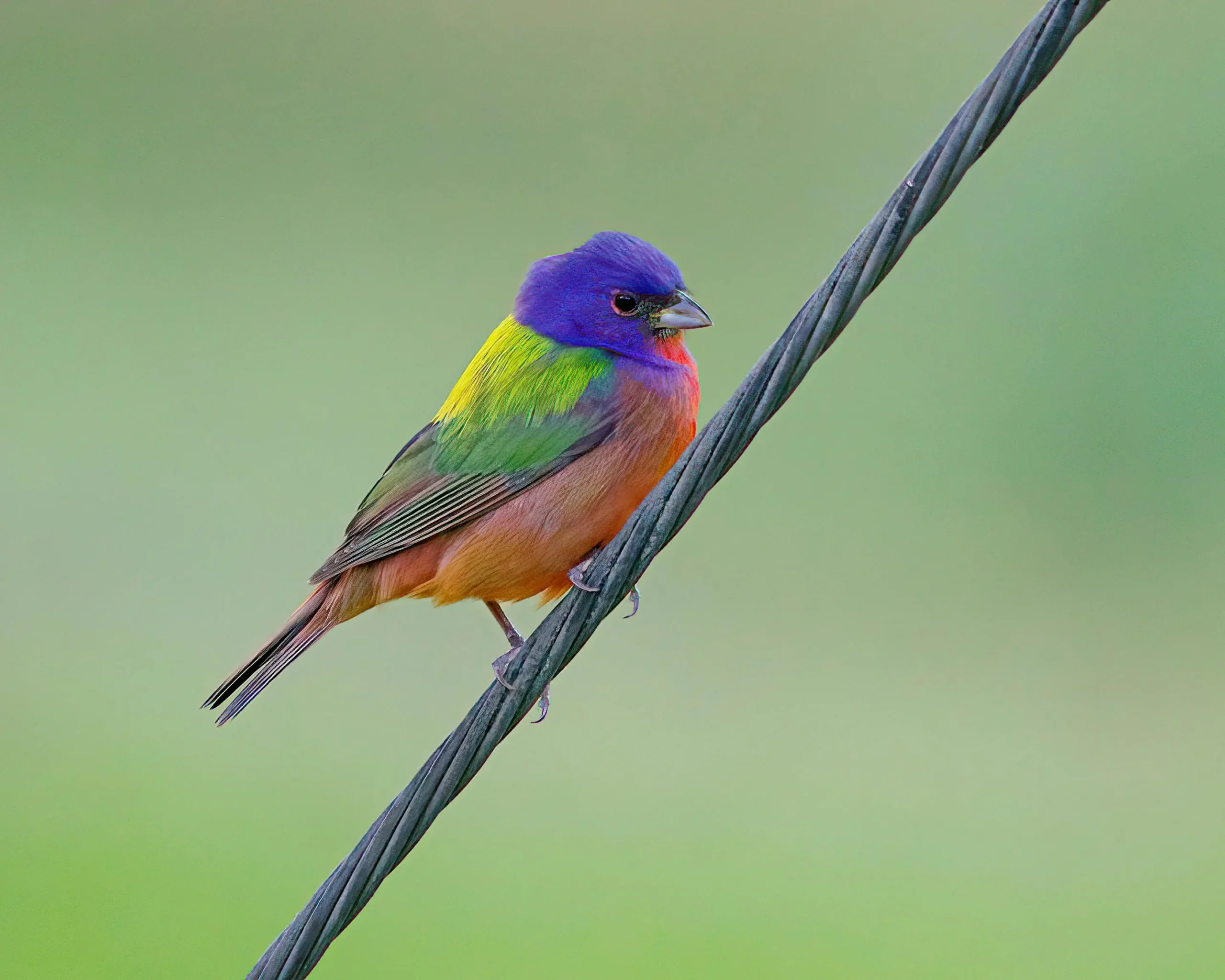
- Male Color: Blue head, red belly, green back — rainbow-like
- Female Color: Olive-green overall
- Size: 4.7–5.5 in (12–14 cm)
- Wingspan: 8–9 in (20–23 cm)
- Weight: 0.5–0.7 oz (13–19 g)
- Call: Sweet, musical warbling
- Lifespan: ~5–7 years
The Painted Bunting is one of North America’s most stunning songbirds. Males display vivid rainbow colors that seem almost unreal, earning them the nickname “Nonpareil,” meaning “without equal.” Found across the southeastern and south-central U.S., these birds are secretive yet highly sought-after by birdwatchers.
Identification
Males are unmistakable with bright blue heads, green backs, and red underparts. Females and immature birds are entirely olive-green, providing camouflage in dense vegetation. Both sexes have short, conical beaks perfect for seed feeding.
Range & Habitat
Painted Buntings breed in two main U.S. regions:
- Southeast: Florida, Georgia, South Carolina
- South-Central: Texas, Oklahoma, Arkansas, Louisiana
Preferred habitats include:
- Scrublands
- Woodland edges
- Brushy fields
- Backyards with dense cover
Diet
Painted Buntings primarily eat seeds but switch to insects during breeding season:
- Grass seeds & weed seeds
- Beetles, caterpillars, spiders
- Small fruits & berries
Nesting
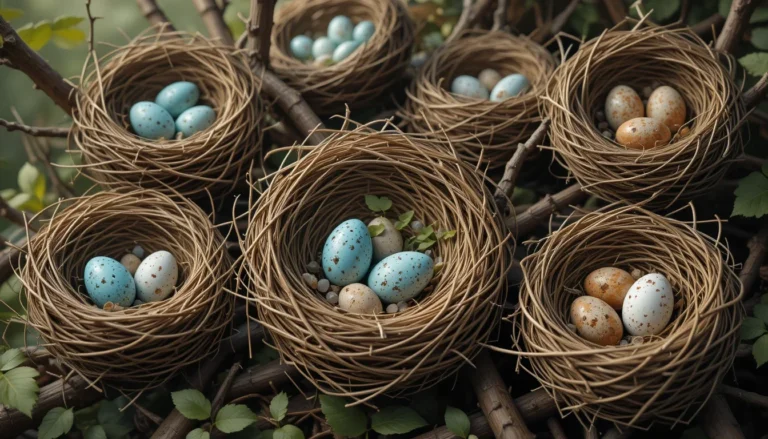
Nesting occurs in thick shrubs or low vegetation, where the female constructs a cup-shaped nest.
- Clutch: 3–4 eggs
- Incubation: 11–12 days
- Fledge: 12–14 days
Behavior
Despite their dazzling appearance, Painted Buntings are shy and prefer to stay hidden in dense foliage. Males sing from exposed perches to claim territory, while females remain more discreet. They migrate to Florida, Mexico, and Central America for the winter.
Conservation Status
Near Threatened — population declines are linked to habitat loss and illegal trapping in parts of their wintering range.
FAQ
Why are male Painted Buntings so colorful?
The bright plumage plays a role in attracting mates and signaling fitness.
Where can I see Painted Buntings?
Texas and coastal Southeast states are the best places to spot them during breeding season.
What foods attract them?
White millet, black oil sunflower seeds, and dense shrub cover help bring them to feeders.
Are Painted Buntings endangered?
Not endangered, but considered Near Threatened due to habitat pressures.