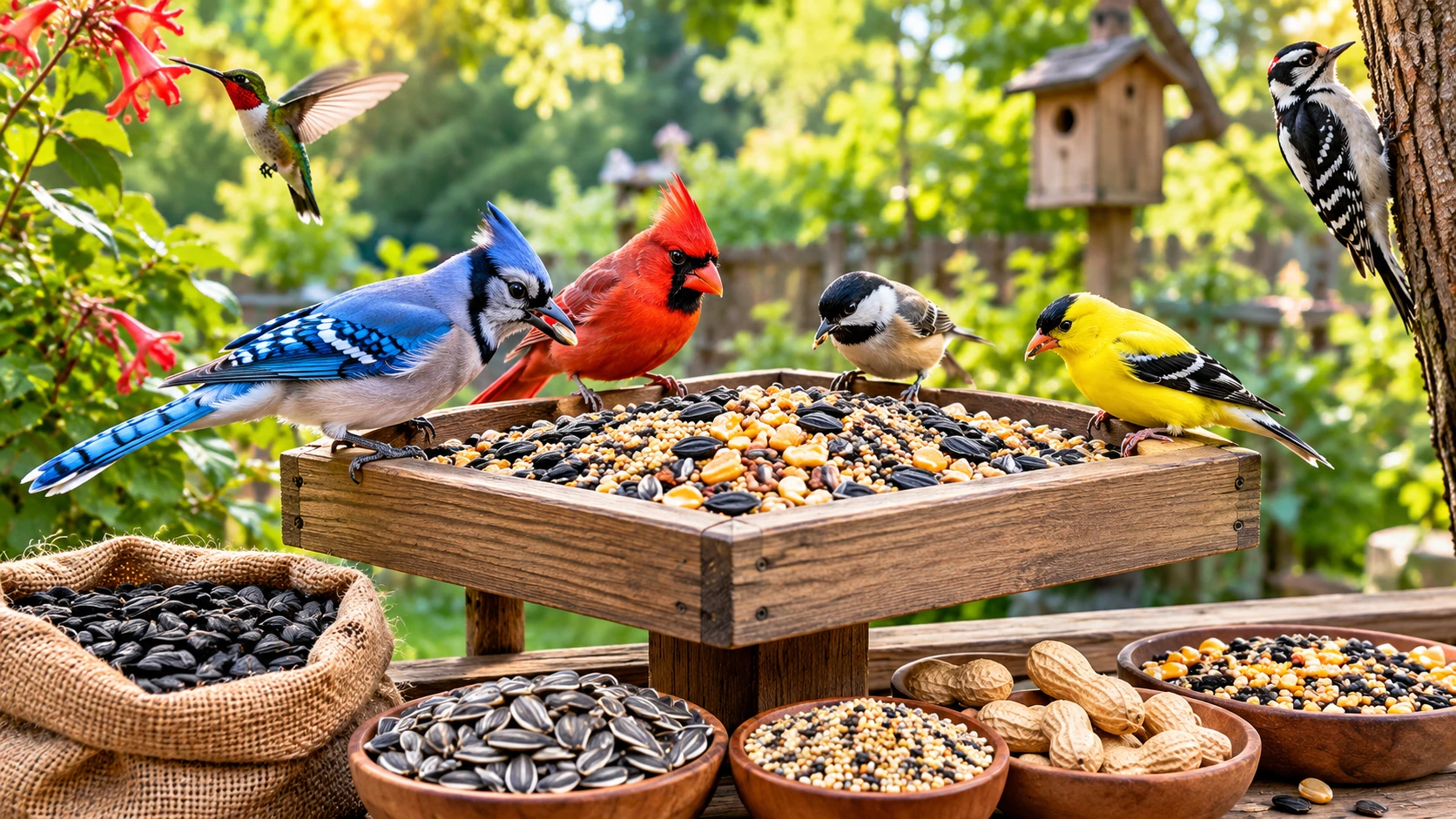
If you want to attract more birds to your backyard, black oil sunflower seeds are one of the best places to start. They appeal to many common backyard species, including cardinals, chickadees, finches, nuthatches, titmice, and jays.
However, there isn’t one seed that attracts every bird. The best choice depends on the species in your area, your feeder type, and whether you want colorful songbirds, ground-feeding birds, or a wider variety of backyard wildlife.
This guide explains what seeds attract the most birds, which seeds work best in feeders, and how to choose a seed mix that reduces waste.
Quick Answer: What Seeds Attract the Most Birds?
For the widest variety of common backyard birds, start with:
- Black oil sunflower seeds – Best overall
- Sunflower hearts – Best for less mess
- Safflower seeds – Excellent for cardinals
- Nyjer seeds – Best for finches
- Peanuts – Great for jays, woodpeckers, and nuthatches
- White millet – Popular with ground-feeding birds
- Cracked corn – Attracts doves and other ground feeders
For most backyards, black oil sunflower seeds are the best all-purpose bird seed.
1. Black Oil Sunflower Seeds – Best Overall
If you want one seed that attracts a broad range of backyard birds, choose black oil sunflower seeds.
Their thin shells are relatively easy for birds to crack, and their high oil content provides concentrated energy.
Birds commonly attracted to sunflower seeds include:
- Northern Cardinals
- Chickadees
- Finches
- Titmice
- Nuthatches
- Jays
- Woodpeckers
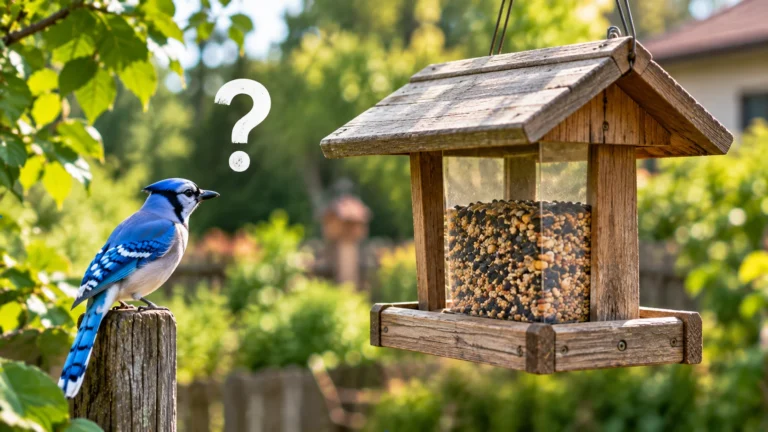
Black oil sunflower works especially well in hopper feeders, tube feeders, and platform feeders.
Best for: Attracting the greatest variety of common backyard birds.


2. Sunflower Hearts – Best for Less Mess
Sunflower hearts are sunflower seeds with the outer shells removed.
Because birds don’t have to remove the shells, they can eat the seed immediately. This also means fewer discarded shells beneath your feeder.
Sunflower hearts are useful for:
- Cardinals
- Finches
- Chickadees
- Titmice
- Nuthatches
- Other songbirds
They’re an excellent option if you’re looking for bird seed that attracts the most birds while reducing feeder waste.
Best for: Smaller yards, patios, and low-mess bird feeding.

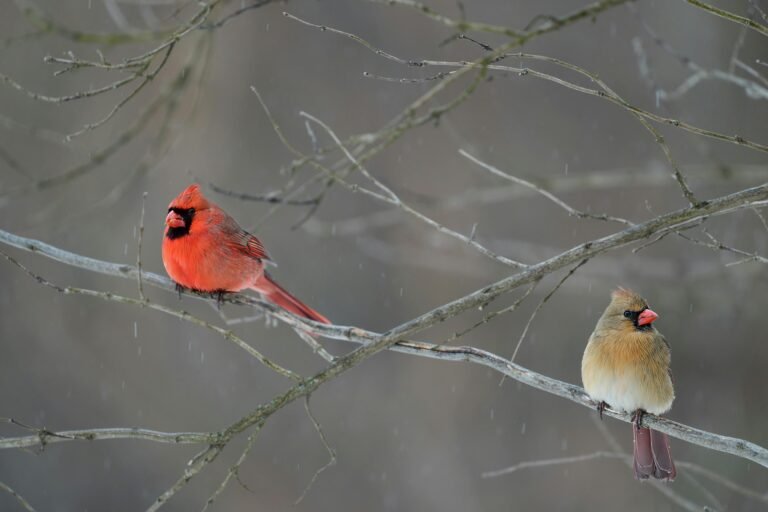
3. Safflower Seeds – Excellent for Cardinals
Safflower seeds are particularly popular with birders who want to attract cardinals.
They can also attract chickadees, titmice, nuthatches, and other seed-eating birds.
Safflower is sometimes chosen for squirrel-prone yards because some squirrels may be less interested in it than sunflower seed. However, it isn’t a guaranteed squirrel-proof food.
Best for: Cardinals and birders dealing with moderate squirrel activity.


4. Nyjer Seeds – Best for Finches
If your goal is to attract finches, nyjer seed is a strong choice.
American Goldfinches and other small finches can be attracted to nyjer, particularly when it’s offered in an appropriate tube or mesh feeder.
Nyjer is different from typical sunflower-based bird food, so don’t expect it to attract exactly the same species.
Best for: Goldfinches and other small finches.


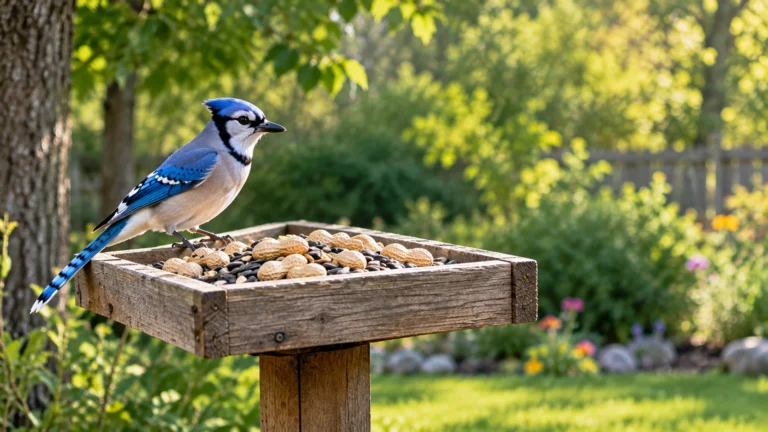
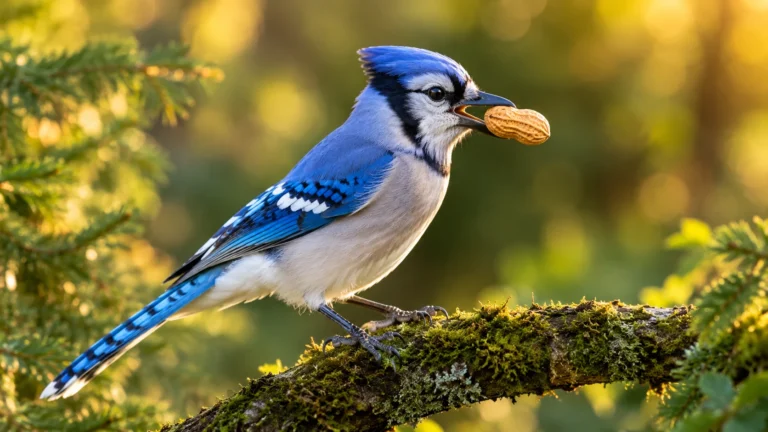
5. Peanuts – Best for Jays and Woodpeckers
Peanuts are a high-energy food that can attract larger backyard birds.
Depending on your location, peanuts may attract:
- Blue Jays
- Woodpeckers
- Nuthatches
- Chickadees
- Titmice
Use unsalted peanuts intended for wild birds rather than seasoned or salted human snack products.
Best for: Larger songbirds and woodpeckers.


6. White Millet – Best for Ground Feeders
White millet is a popular ingredient in bird seed mixes and is particularly useful for attracting ground-feeding birds.
Species such as sparrows, juncos, doves, and towhees may feed on millet.
Offer it in a platform feeder or suitable ground-feeding area while keeping the feeding area clean.
Best for: Sparrows, juncos, doves, and towhees.


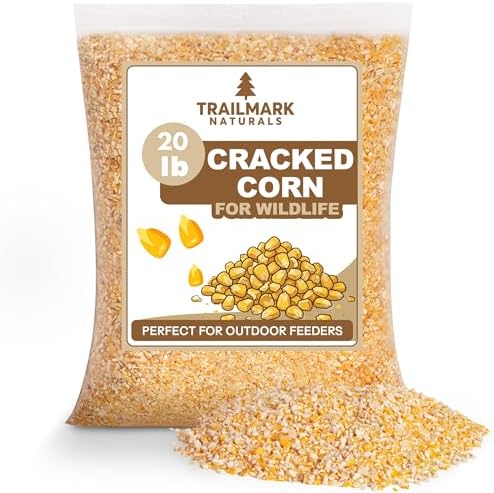
7. Cracked Corn – Best for Doves and Ground Birds
Cracked corn can attract mourning doves, sparrows, jays, and other birds that feed on the ground.
It is commonly found in mixed bird seed blends, but it shouldn’t necessarily be the main ingredient if your primary goal is attracting cardinals and other songbirds.
Best for: Ground-feeding birds and mixed-species feeding.


Best Bird Seeds for Backyard Birds
Here’s a simple comparison:
| Seed | Best For | Bird Variety | Mess Level |
|---|---|---|---|
| Black oil sunflower | Most backyard birds | Excellent | Moderate |
| Sunflower hearts | Songbirds | Excellent | Low |
| Safflower | Cardinals | Very good | Moderate |
| Nyjer | Finches | Specialized | Low |
| Peanuts | Jays & woodpeckers | Very good | Moderate |
| White millet | Ground feeders | Good | Moderate |
| Cracked corn | Doves & sparrows | Good | High |
What Is the Best Seed Mix for Birds?
A quality best seed mix for birds should contain ingredients that your local birds actually eat.
For a general backyard mix, look for:
- Black oil sunflower seeds
- Sunflower hearts
- Safflower seeds
- Peanuts
- White millet
Avoid choosing a mix based only on the size of the bag. Check the ingredient list.
A cheap mix filled with ingredients birds leave behind can actually cost more over time because you’re paying for seed that ends up on the ground.
Bird Seed Fillers to Watch For
Some inexpensive bird seed mixes contain large amounts of filler ingredients.
Depending on the birds in your area, birds may leave behind some ingredients such as:
- Milo
- Excess millet
- Wheat
- Other low-preference grains
This doesn’t mean these ingredients are bad for every bird. Different species have different feeding preferences.
The better approach is to match the seed to the birds you want to attract.
What Do Birds Eat Naturally?
Wild birds eat a wide range of foods depending on the species and season.
Their natural diets can include:
- Seeds
- Fruits
- Berries
- Insects
- Nuts
- Nectar
- Grains
Bird feeders supplement natural food sources rather than completely replacing them.
Providing native plants, shrubs, berries, and clean water can make your backyard more attractive to birds throughout the year.
How to Attract More Birds to Your Backyard
Choosing the right seed is only one part of successful backyard bird feeding.
1. Use the Right Feeder
Match your feeder to the seed.
Tube feeders: Great for sunflower seeds and smaller songbirds.
Hopper feeders: Good for sunflower and mixed bird seed.
Platform feeders: Excellent for cardinals and larger birds.
Ground feeding: Useful for doves, juncos, towhees, and some sparrows.
2. Keep Your Feeder Clean
Old or wet seed can become spoiled.
Remove damp or moldy bird food and clean feeders regularly. A clean feeding station is better for backyard birds.
3. Provide Fresh Water
A clean birdbath can encourage birds to spend more time in your backyard.
Keep water fresh and provide a location where birds have good visibility.
4. Add Natural Cover
Birds need shelter as well as food.
Native shrubs, trees, and dense vegetation can provide places for birds to rest and escape predators.
5. Keep Food Available
Birds learn where reliable food sources are located.
Consistent feeding can help your backyard become part of their regular feeding route.
Best Seed for Specific Backyard Birds
If you have a particular species in mind, choose the seed accordingly.
Cardinals: Black oil sunflower and safflower seeds
Finches: Nyjer and sunflower hearts
Chickadees: Black oil sunflower and peanuts
Nuthatches: Sunflower seeds and peanuts
Blue Jays: Peanuts and sunflower seeds
Mourning Doves: Millet and cracked corn
Woodpeckers: Peanuts and sunflower-based foods
What Seeds Attract the Most Birds in Winter?
During cold weather, energy-rich foods become particularly useful.
Black oil sunflower seeds, sunflower hearts, and peanuts are good choices for winter bird feeding because they provide concentrated energy.
Keep feeders protected from excessive moisture and check them regularly during snow or heavy rain.
How to Reduce Bird Seed Waste
If you’re spending too much money on bird seed, don’t automatically buy a cheaper mix.
Instead:
- Choose seeds your local birds prefer.
- Use sunflower hearts for less shell waste.
- Avoid mixes with excessive fillers.
- Don’t overfill feeders.
- Keep seed dry.
- Clean spilled seed regularly.
- Use the feeder type suited to the seed.
A quality seed can provide better value for money when birds eat more of what you put out.
.Frequently Asked Questions
What is the best bird seed for backyard birds?
Black oil sunflower seeds are one of the best all-purpose choices because they attract many common backyard species. A quality mix containing sunflower and safflower can attract an even wider range of birds.
What bird seed attracts the most birds?
Black oil sunflower seeds generally have broad appeal among common backyard songbirds. Adding peanuts, safflower, sunflower hearts, or other species-specific foods can increase the variety of birds visiting your yard.
What is the best seed for bird feeders?
The best seed depends on the birds you want to attract. Black oil sunflower is a strong general choice, while nyjer is better for finches and safflower is especially useful for attracting cardinals.
What seeds attract cardinals?
Cardinals commonly eat black oil sunflower seeds, safflower seeds, sunflower hearts, and other larger seeds. A hopper or platform feeder can make these foods easy for cardinals to access.
How can I attract more birds to my backyard?
Use fresh bird food, choose an appropriate feeder, keep the feeding station clean, provide fresh water, and add natural cover such as native shrubs and trees.
Should I use mixed bird seed or single seeds?
A mixed seed can attract more species, but a single high-preference seed such as black oil sunflower can reduce waste. Your choice should depend on the birds you want to attract and what they naturally prefer.
What bird seed has the least waste?
Sunflower hearts are one of the cleaner options because the shells have already been removed. No-mess blends can also reduce waste, although they may cost more than whole-seed mixes.
Do squirrels eat bird seed?
Yes. Squirrels commonly eat sunflower seeds, peanuts, corn, and other bird foods. A squirrel-resistant feeder or a strategic feeder setup can help reduce competition.