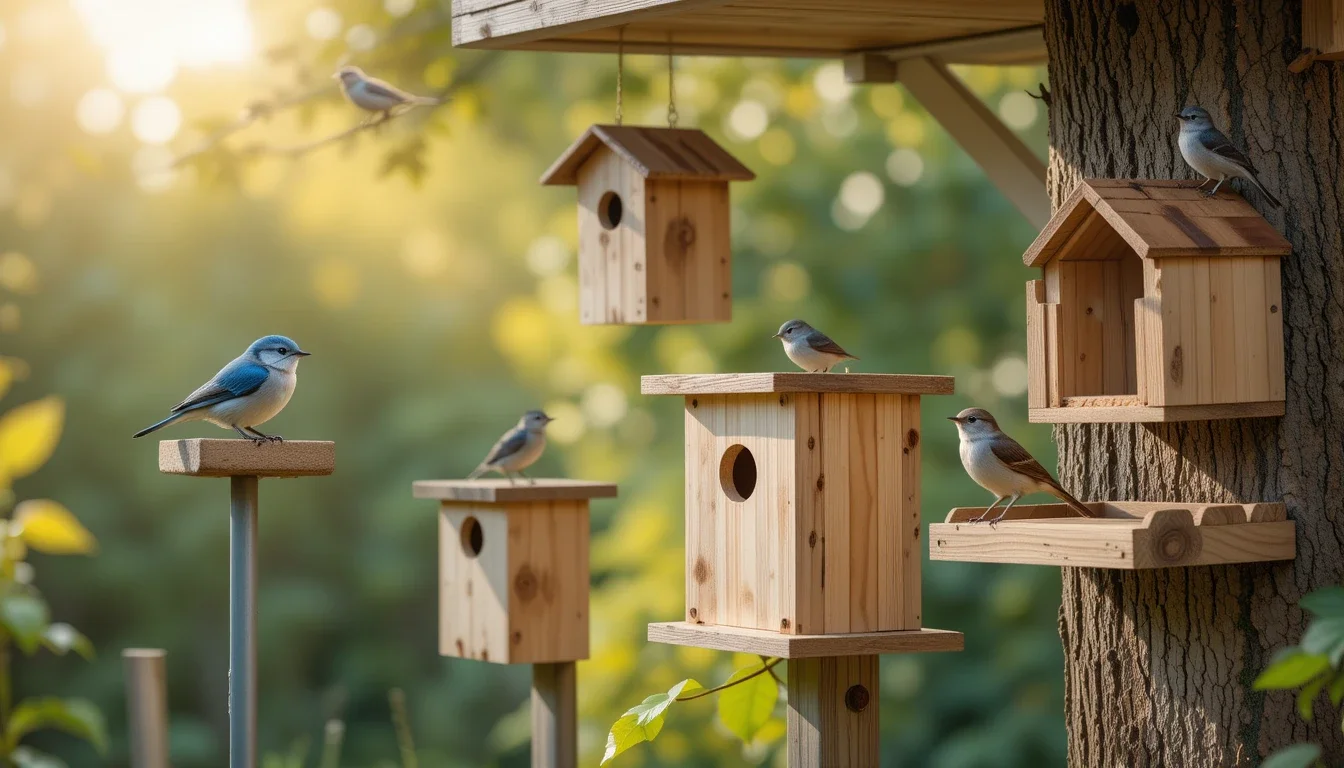
Providing suitable Nest Box Designs is a rewarding way to enhance your backyard habitat. With dwindling natural nesting sites, artificial nesting boxes offer vital support for a variety of species. However, one size does not fit all. Different birds require specific nesting box design elements, particularly in terms of nesting box hole size, internal dimensions, and placement.
The Importance of Species-Specific Nesting Boxes
Simply hanging any box in your yard might attract some birds, but to truly support specific species, precision is key. A correctly designed nesting box offers:
- Optimal Protection: The right nesting box hole size deters larger predators and prevents competing, non-native species from taking over.
- Thermal Regulation: Appropriate materials and dimensions ensure the nestlings are protected from extreme heat and cold.
- Comfort and Security: Birds are more likely to use a box that mimics their natural nesting preferences, leading to successful breeding.
- Conservation Impact: By providing suitable homes, you directly contribute to local bird populations, especially for species facing habitat loss.
Ignoring species-specific needs often leads to unused boxes or, worse, boxes taken over by aggressive non-native species like House Sparrows. This guide focuses on design precision to ensure your efforts are effective and beneficial.
Key Elements of a Functional Nesting Box Design
Before diving into species-specific designs, let’s review universal features critical for any effective nesting box for birds:
- Material: Untreated, durable wood (cedar, redwood, cypress) is preferred for its insulation and breathability. Plastics can work if properly ventilated and light-colored.
- Ventilation: Small gaps or holes near the top prevent overheating. This is crucial for all nesting box designs.
- Drainage: Small holes in the bottom prevent water accumulation, keeping the nest dry.
- Easy Cleaning: A hinged front, side, or roof panel is essential for annual cleaning and monitoring.
- Rough Interior: The inside front wall needs to be rough (or have cleats) for fledglings to climb out.
- No Perch: Perches provide an easy landing spot for predators; birds do not need them for entering nesting boxes.
- Predator Guard: A thicker wooden block or metal plate around the entrance hole deters squirrels and larger birds from enlarging the hole.
These foundational elements ensure the safety and success of the birds nesting in your chosen nesting boxes for birds.
Top 10 Nesting Box Designs for Different Species
Here, we explore specific nesting box designs that cater to various popular backyard birds, detailing their preferred dimensions and nesting box hole size.
1. The Bluebird Nest Box
- Species Attracted: Eastern, Western, Mountain Bluebirds, Tree Swallows
- Nesting Box Design: Rectangular with extended roof
- Hole Size: 1 ½” (Eastern), 1 9/16″ round or 1 3/8 x 2 ¼” oval (Western)
- Interior Dimensions: 5″ x 5″ floor, 8-12″ height
- Placement: 5-7 ft high, open grassy areas, facing east
- Special Features: Drainage, ventilation, side opening for cleaning
2. The Wren Nest Box
- Species Attracted: House Wrens, Carolina Wrens
- Design: Small cube or rectangle, sometimes sloped roof
- Hole Size: 1 ⅛ – 1 ¼”
- Interior Dimensions: 4″ x 4″ floor, 6-8″ height
- Placement: 6-10 ft high, near dense vegetation or eaves
- Special Features: Compact to deter larger birds
3. The Chickadee/Titmouse Nest Box
- Species Attracted: Black-capped & Carolina Chickadees, Tufted Titmice
- Design: Slightly larger than wren boxes
- Hole Size: Chickadees 1 ⅛–1 ¼”, Titmice 1 ¼–1 ⅜”
- Interior Dimensions: 4″ x 4″ floor, 8-10″ height
- Placement: 5-15 ft high, wooded areas near tree trunks
- Special Features: Predator guard recommended
4. The Woodpecker Nesting Box
- Species Attracted: Northern Flickers, Hairy & Downy Woodpeckers
- Design: Deep, sturdy, rough interior, filled with wood chips
- Hole Size: Flickers 2 ½”, Downy 1 ¾”, Oval 2 ½” x 3″
- Interior Dimensions: Flickers 7″ x 7″ floor, 16-18″ height
- Placement: 10-20 ft high, on tree or pole
- Special Features: Allows natural excavation
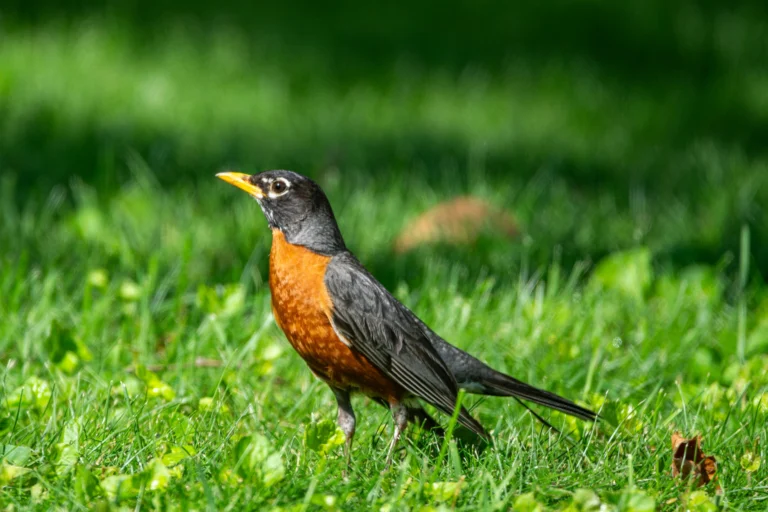
5. The Robin Nest Box (Open-Front Shelf)
- Species Attracted: American Robins, Barn Swallows, Eastern Phoebes
- Design: Open-front platform with roof
- Hole Size: N/A
- Interior Dimensions: Platform 6″ x 8″, roof 6-8″ high
- Placement: 6-15 ft high, sheltered eaves or branches
- Special Features: Open design essential
6. The Sparrow Nest Box
- Species Attracted: Chipping & Field Sparrows
- Design: Similar to chickadee boxes
- Hole Size: 1 ¼”
- Interior Dimensions: 4″ x 4″ floor, 6-8″ height
- Placement: 5-10 ft high, open woodlands or forest edges
- Special Features: Hole size deters House Sparrows
7. The Owl Nesting Box
- Species Attracted: Eastern Screech-Owls, Barred Owls
- Design: Large, deep, cylindrical or square
- Hole Size: Screech 3″, Barred 6″
- Interior Dimensions: Screech 8″ x 8″, 12-15″ height; Barred 12″ x 12″, 18-24″ height
- Placement: 10-30 ft high, mature trees
- Special Features: Wood shavings inside, secure mounting
8. The Dove Nest Box (Open Platform)
- Species Attracted: Mourning Doves
- Design: Simple open platform with lip
- Hole Size: N/A
- Interior Dimensions: 8″ x 8″ to 10″ x 10″
- Placement: 8-15 ft high, strong tree branches or buildings
- Special Features: Stable base for nests
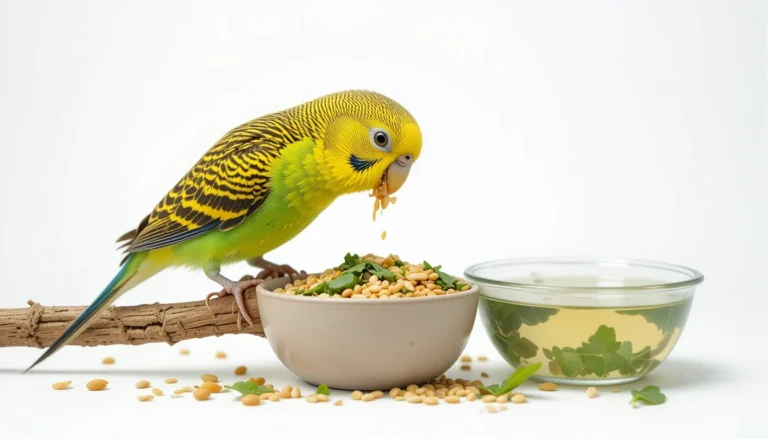
9. Parrot/Parakeet Nesting Box
- Species Attracted: Budgerigars, Cockatiels, Lovebirds
- Design: Plywood, concave bottom, inspection door
- Hole Size: 1.5-2.5″ (Budgies 1.5″)
- Interior Dimensions: 6″ x 6″ x 8″ (Budgies)
- Placement: Inside aviary or cage
- Special Features: Ladder inside, inspection hatch
10. Multi-Compartment Nest Boxes (Purple Martin Housing)
- Species Attracted: Purple Martins
- Design: “Apartment house” with multiple compartments or gourds
- Hole Size: 2 ¼” round or crescent
- Interior Dimensions: Each compartment 6″ x 6″ x 6″
- Placement: 12-20 ft high, open area near water
- Special Features: Winch/telescoping pole for cleaning
Nesting Box Hole Size: The Most Critical Factor
The nesting box hole size is arguably the most important design element. It acts as a gatekeeper, allowing your target species entry while excluding larger competitors and predators.
- Too Small: The bird won’t be able to enter.
- Too Large: Larger, aggressive birds (like starlings or House Sparrows) or predators can gain access, harming native broods.
Always use a precise drill bit or template when creating the entrance hole. Metal predator guards can also help maintain the correct size and prevent chewing.
Bird Nesting Boxes Plans: DIY and Commercial Options
Once you’ve identified the target species and their preferred nesting box design, you have two main routes:
Building Your Own
- Bird nesting boxes plans are widely available from bird conservation organizations (e.g., Cornell Lab of Ornithology, National Wildlife Federation). These plans provide detailed dimensions, material lists, and assembly instructions.
- Benefits: Cost-effective, customizable, and a rewarding project. Ensures you meet exact species requirements.
- Considerations: Requires basic carpentry skills and tools. Always use untreated, durable wood.
Purchasing Pre-Made Boxes
- Commercial Options: Many reputable manufacturers offer high-quality, species-specific nesting boxes for birds. Look for boxes made from natural, untreated wood with proper ventilation, drainage, and cleaning access.
- Benefits: Convenient, ready to install, often professionally constructed.
- Considerations: Can be more expensive. Verify that the box adheres to recommended specifications for your target species (especially nesting box hole size). Avoid purely decorative nesting boxes that lack functionality.
Placement, Mounting, and Maintenance
Even the best-designed nesting box won’t succeed without proper installation and care.
Optimal Placement
- Height: Follow species-specific recommendations.
- Orientation: Generally, face the entrance away from prevailing winds (often east or north) and direct afternoon sun.
- Habitat: Match the box to the bird’s natural habitat (open fields for bluebirds, wooded areas for woodpeckers).
- Predator Protection: Mount on a smooth pole with a predator baffle, especially for boxes vulnerable to climbing animals. Keep boxes away from dense shrubbery.
Mounting Techniques
- Secure Installation: Use rust-proof screws or bolts. Ensure the box is stable and won’t sway excessively in the wind.
- Avoid Girdling: If mounting on a tree, avoid using wires that can harm the tree as it grows.
Essential Maintenance
- Annual Cleaning: After nesting season (late fall or early spring), remove old nests, clean with warm water and a stiff brush, and allow to dry completely. This prevents disease and prepares the box for the next season.
- Inspection: Check for damage, wasp nests, or ant infestations. Make repairs as needed.
- Monitoring: Observe from a distance. Avoid disturbing nesting birds. If non-native aggressive species like House Sparrows or European Starlings take over, remove their nests promptly.
Beyond Nesting Boxes: Creating a Holistic Bird Habitat
While nesting boxes for birds are crucial, they are part of a larger ecosystem. To maximize your chances of attracting and supporting birds, consider these additional steps:
- Native Plants: Plant native trees, shrubs, and flowers to provide natural food sources (berries, seeds, nectar) and cover. These also attract insects, a vital food source for nestlings.
- Water Source: A clean, shallow bird bath is essential for drinking and bathing.
- Food Feeders: Supplement natural food with high-quality birdseed or suet feeders, placed away from nesting boxes to avoid attracting predators.
- Pesticide-Free Zone: Avoid chemicals that harm insects and can poison birds.
- Pet Control: Keep cats indoors, especially during nesting season, as they are significant predators.
By creating a comprehensive habitat, you support birds not just during nesting but throughout their entire life cycle, making your backyard a vibrant hub of avian activity.
FAQs
Birdhouses attract birds when they match a species’ size and nesting habits. Placement, safety, and hole size also matter.
Start with untreated wood, cut panels to size, drill entry hole, add ventilation, assemble with nails/screws, and mount securely.
Nothing for most species, but owls and woodpeckers benefit from wood chips or sawdust.
Yes. Earthy, natural tones (browns, greens) are best. Bright colors may deter nesting.
Face east or southeast to catch morning sunlight and avoid harsh weather.
Final Thoughts
Installing a bird nest box isn’t just about attracting feathered friends. It’s about supporting fragile bird populations, especially in modern environments where natural nesting options are disappearing.
Choose the right nesting box design, place it thoughtfully, and monitor it responsibly. From the charming wren to the majestic owl, there’s a box for every bird. And with each box you place, you’re giving them a safer world to raise their young.
Explore our expert-reviewed bird nesting boxes collection that meet both USDA guidelines and real-world results. We also offer DIY nesting box plans for different species, and tools for setting up your ideal bird-friendly backyard.